Kousa mahshi is more than just a meal; it is a fragrant, comforting cornerstone of Lebanese culinary heritage. This dish features petite, pale-green zucchinis hollowed out and filled with a savory mixture of spiced lamb and rice, then simmered in a garlic-infused tomato broth.
The visual appeal of Kousa mahshi is undeniable, especially when the zucchinis are nestled in a vibrant red sauce dotted with golden olive oil beads. When you slice into one, you are greeted by a fluffy interior where every grain of rice remains airy and distinct, perfectly complemented by the richness of ground lamb.
Mastering this recipe allows you to bring the essence of a Beirut kitchen into your home, offering a sensory experience of dried mint, fresh parsley, and toasted pine nuts. Whether you are a seasoned cook or a beginner, the combination of tender vegetables and aromatic broth makes Kousa mahshi a standout choice for an authentic dinner.
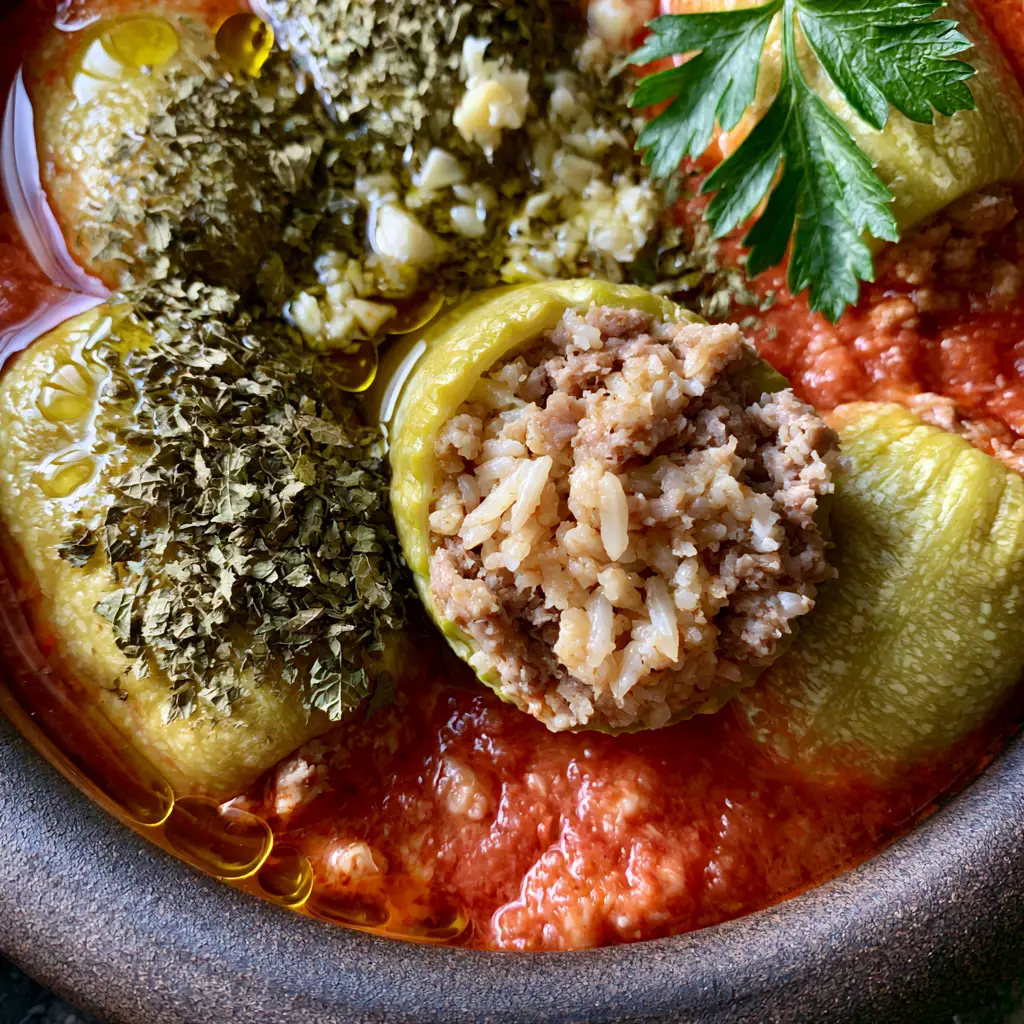
The Visual Appeal and Texture of Authentic Kousa Mahshi
- Vibrant Contrast: The pale-green hue of the tender Lebanese zucchini pops against the thick, deep-red tomato and garlic broth.
- Textural Perfection: Expect a “hashweh” filling that is never mushy, featuring airy long-grain rice and finely crumbled ground lamb.
- Glossy Finish: The surface of the broth is finished with a signature shimmer of extra virgin olive oil droplets and a dusting of dried mint flakes.
- Aromatic Garnishes: A final touch of minced raw garlic and crunchy toasted pine nuts adds layers of flavor and visual sophistication.
The Essential Ingredient Checklist for Vibrant Tomato Broth
Small Lebanese Zucchinis: Also known as Grey Zucchini, these are shorter and thicker than standard varieties, making them ideal for coring without splitting. Their pale green skin stays tender yet holds its shape during the long simmering process.
Ground Lamb: For the most authentic flavor, use a lamb with about 15-20% fat content. This fat renders into the rice, ensuring the filling remains moist and flavorful throughout the cook time.
Long-Grain Rice: Specifically, a rice like Basmati or a long-grain variety is essential for that “distinct grain” look. Rinsing the rice thoroughly removes excess starch, preventing the filling from becoming a solid mass.
Tomato Paste and Puree: These form the backbone of the vibrant red broth. The paste provides the deep color and thickness, while the puree adds the necessary acidity to balance the richness of the lamb.
Dried Mint Flakes: A non-negotiable Lebanese pantry staple. Dried mint provides a cool, earthy undertone to the tomato sauce that fresh mint simply cannot replicate.
Extra Virgin Olive Oil: High-quality oil is used both in the filling and as a finishing drizzle. It creates those beautiful golden beads on the surface of the stew as seen in the finest Mediterranean presentations.
Toasted Pine Nuts: These provide a buttery crunch and a nutty aroma. Toasting them until golden brown is a critical step for both texture and the final visual presentation.
Invisible Essentials: You will also need 2 tsp (10g) of sea salt for seasoning, 1/2 tsp (2g) of black pepper, and 1 tbsp (15ml) of neutral oil for the initial browning of meat if preferred.
Pro-Level Coring and Preparation Gear
To achieve the perfect Kousa mahshi, a specialized tool called a “Man’ara” or a zucchini corer is highly recommended. This long, serrated tool allows you to reach deep into the zucchini to remove the flesh while leaving a thin, consistent wall of about 1/8 inch (3mm).
You will also need a heavy-bottomed pot or a Dutch oven. The thick walls of a Dutch oven ensure even heat distribution, which prevents the zucchinis at the bottom from scorching while the ones at the top simmer in the broth.
A fine-mesh sieve is necessary for rinsing your rice until the water runs clear. If you enjoy experimenting with different Lebanese zucchini recipes, investing in a quality corer will make your prep work significantly faster and more precise.
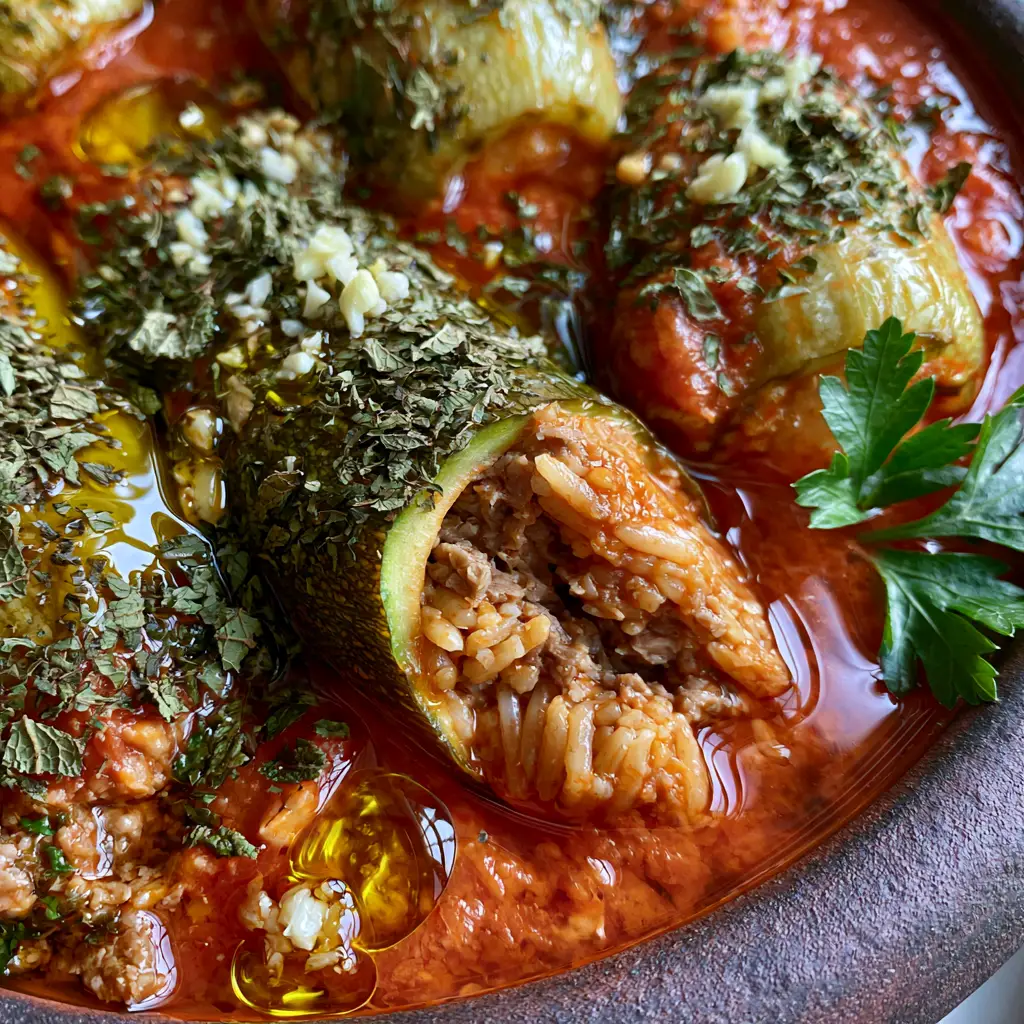
Crafting the Fluffy Lamb and Rice Hashweh Filling
Preparing the Rice and Lamb
Start by rinsing 1 cup (200g) of long-grain rice in cold water at least three times. This step is vital to achieve the airy texture described in our visual blueprint, as it removes the surface starch that causes clumping.
In a large mixing bowl, combine the rinsed rice with 1 lb (450g) of ground lamb. Use your hands to gently fold the meat and rice together, ensuring the lamb is evenly distributed without overworking the mixture into a paste.
Seasoning for Aromatic Depth
Add 2 tbsp (30ml) of extra virgin olive oil, 1 tsp (5g) of sea salt, 1/2 tsp (2g) of black pepper, and 1 tsp (2g) of allspice to the filling. The olive oil inside the filling helps the rice grains slide against each other as they expand, contributing to that perfectly fluffy interior.
Mix in 2 tbsp (8g) of finely chopped fresh parsley. The parsley adds a hit of herbal freshness that cuts through the savory lamb, providing a balanced flavor profile in every bite.
The Art of Coring and Stuffing the Zucchini
Precise Coring Technique
Wash 10-12 small zucchinis and trim off the woody stem end. Carefully insert the corer into the center of the zucchini, rotating it slowly to remove the flesh. Be careful not to pierce the bottom or the sides.
As you work, you should hear a light scraping sound against the inner skin; this indicates you are reaching the proper thickness. The goal is to create a hollow tube that acts as a vessel for the savory hashweh.
Stuffing Without Overfilling
Loose-pack the filling into each zucchini using your pinky finger or the back of a small spoon. It is critical to only fill them about 3/4 of the way full, as the rice will expand significantly during the simmering process.
If you pack the zucchinis too tightly, the rice will not have room to grow, resulting in a dense, hard filling. Leaving that extra space ensures the grains remain airy and distinct once cooked.
Simmering the Zucchini to Tender Perfection
Building the Tomato-Garlic Broth
In your large pot, whisk together 4 cups (1L) of water or light beef stock, 6 oz (170g) of tomato paste, and 1 cup (240ml) of tomato puree. Bring this mixture to a gentle simmer over medium heat until it begins to thicken slightly.
Add 4 cloves of minced garlic and 1 tbsp (2g) of dried mint flakes to the liquid. The smell of garlic and mint mingling with the tomato is the classic olfactory signature of authentic Kousa mahshi.
The Simmering Process
Carefully lay the stuffed zucchinis into the broth, ensuring they are mostly submerged. If they float, you can place a small, heat-proof plate on top of them to keep them weighted down during the cook.
Reduce the heat to low, cover the pot, and simmer for 50-60 minutes. You will know they are ready when the zucchini skin is tender enough to be easily pierced by a fork and the broth has reduced to a glossy, vibrant red sauce.
Secrets to a Glossy, Garlic-Infused Finishing Broth
In the final five minutes of cooking, prepare the “Taqliya” or the garlic finish. Sauté two additional cloves of minced garlic in 2 tbsp (30ml) of extra virgin olive oil until just fragrant but not browned.
Pour this garlic-infused oil directly over the simmering pot. This creates those iconic golden olive oil beads on the surface of the sauce, providing a luxurious mouthfeel and a beautiful visual highlight.
Sprinkle a final pinch of dried mint over the top before serving. This layer of mint reinforces the herb’s presence and adds a dark green contrast to the rich red broth.
Expert Tips for Success
- Don’t Waste the Insides: The zucchini flesh you removed can be used to make a delicious zucchini-focused meal or sautéed with eggs for breakfast.
- Temperature Control: Never let the broth reach a rolling boil once the zucchinis are added, or the delicate skins may burst.
- Rice Selection: While long-grain rice is used here for fluffiness, some regional variations use short-grain for a creamier texture. However, for this visual blueprint, long-grain is essential.
- Make it Ahead: Like many stews, Kousa mahshi often tastes even better the next day after the flavors have had time to meld.
Storage, Reheating, and Freezing
Store any leftover Kousa mahshi in an airtight container in the refrigerator for up to 3-4 days. The zucchinis will continue to absorb the flavors of the tomato broth as they sit, making for excellent leftovers.
To reheat, place the zucchinis and broth in a saucepan over low heat. Add a splash of water if the sauce has thickened too much in the fridge, and heat until the center of the filling is steaming hot.
We do not recommend freezing this dish, as the texture of the zucchini becomes mushy and the rice can become grainy upon thawing. It is best enjoyed fresh or within a few days of cooking.
What to Serve With Authentic Kousa Mahshi
While this dish is a complete meal on its own, it pairs beautifully with a side of creamy Greek yogurt or a crisp salad. A simple refreshing Greek salad provides a cool contrast to the warm, spiced lamb.
If you are looking for more protein-heavy pairings, consider serving these alongside savory ground meat dishes or even some garlic-butter steak bites for a multi-course feast.
A garnish of extra toasted pine nuts and a sprig of fresh parsley on every plate is essential to match the high-end presentation found in professional culinary photography.
Frequently Asked Questions
Absolutely! Replace the lamb with extra rice, chickpeas, and finely diced vegetables like onions and peppers. Increase the spices and olive oil to compensate for the missing lamb fat.
Yes, you can, but standard zucchinis are often waterier and have thinner skins. Choose the smallest ones available to mimic the size and texture of the pale-green Lebanese variety.
Use a specialized serrated zucchini corer and work slowly. Rotate the tool, not the vegetable, and leave about 1/8 inch of flesh to ensure the walls are strong enough to hold the filling.
Dried mint is a traditional Lebanese flavoring that adds a distinct earthy, cooling note to the acidic tomato sauce, balancing the savory richness of the meat.
This usually happens if the zucchinis were stuffed too tightly. Rice needs space to expand as it absorbs liquid; fill them only 3/4 of the way to ensure a fluffy texture.
The Ultimate Recipe for Authentic Lebanese Kousa Mahshi
Kousa Mahshi: Authentic Lebanese Stuffed Zucchini in Tomato Broth
Ingredients
Equipment
Method
- Wash zucchinis and trim stems. Use a corer to hollow out the insides, leaving a 1/8 inch shell.
- Briefly soak cored zucchinis in salted water then drain.
- Combine rinsed rice, ground lamb, olive oil, parsley, salt, pepper, and allspice in a bowl.
- Fill zucchinis 3/4 full with the lamb mixture, leaving room for rice to expand.
- In a pot, whisk water, tomato paste, puree, half the garlic, and dried mint. Bring to a simmer.
- Arrange zucchinis in the pot. Cover and simmer on low for 50-60 minutes until tender.
- Sauté remaining garlic in olive oil and pour over the broth. Garnish with pine nuts and fresh parsley.
Notes
Always rinse the rice to ensure the grains remain distinct and airy.
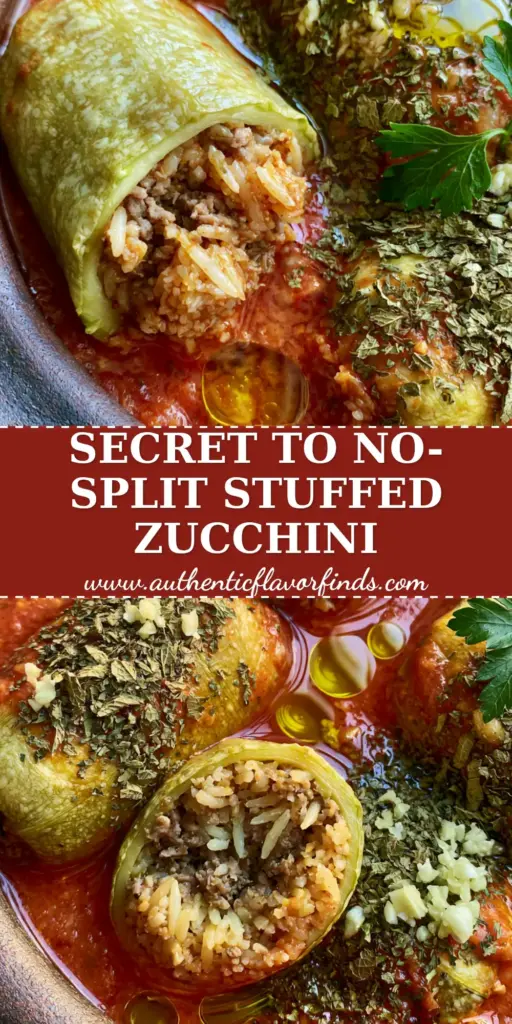
Closing & Call to Action
Authentic Kousa mahshi is a testament to the beauty of slow-cooked Mediterranean cuisine. From the airy lamb and rice filling to the glossy, mint-flecked tomato broth, every element of this dish is designed to provide comfort and deep flavor.
We hope this guide inspires you to try your hand at coring and stuffing these beautiful pale-green zucchinis. If you enjoyed this recipe, please leave a comment below and share your results with us!
Don’t forget to follow us on Pinterest for more authentic flavor finds and culinary inspiration. Pin this recipe to your favorite board so you can return to it whenever you crave a taste of Lebanon!