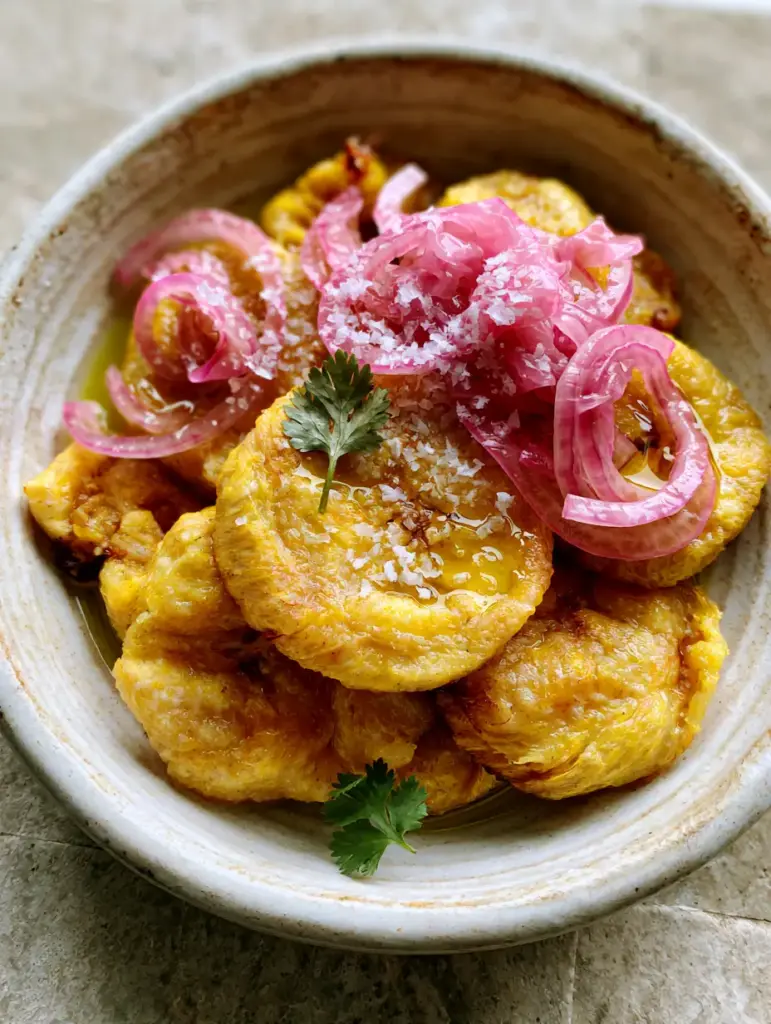
Boiled Green Plantains are far more than just a side dish; they are a culinary canvas that defines the heart of tropical comfort food. When prepared with precision, these starchy wonders transform from a firm, emerald-hued fruit into pale buttery yellow rounds with a texture that is both yielding and satisfyingly dense.
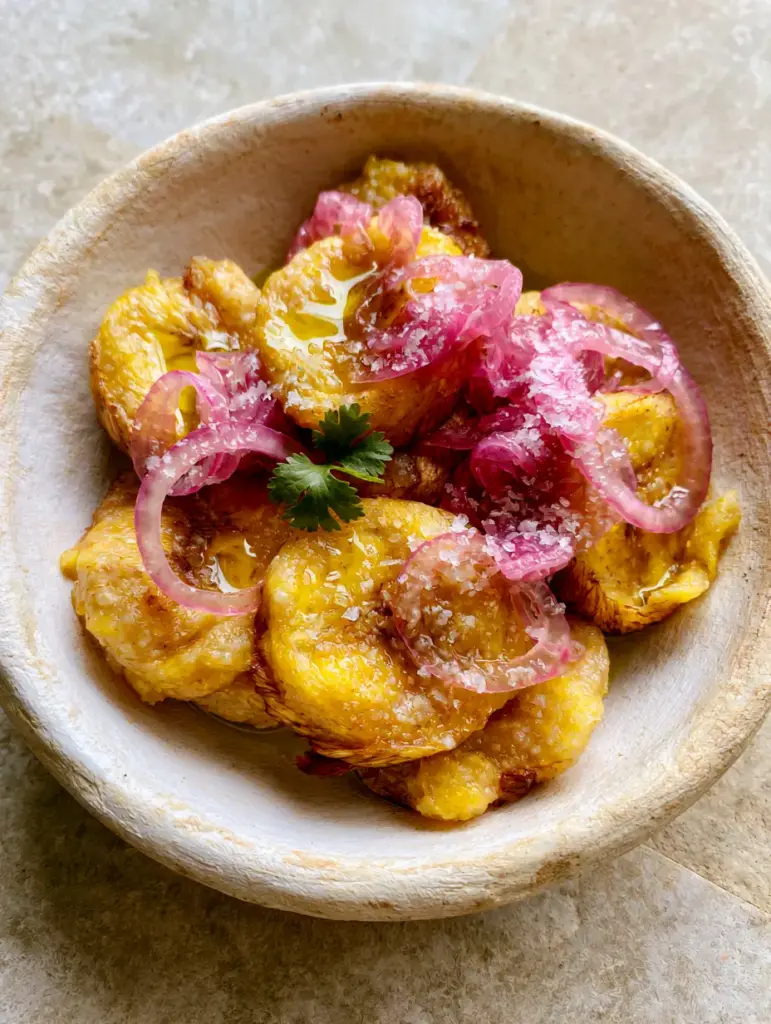
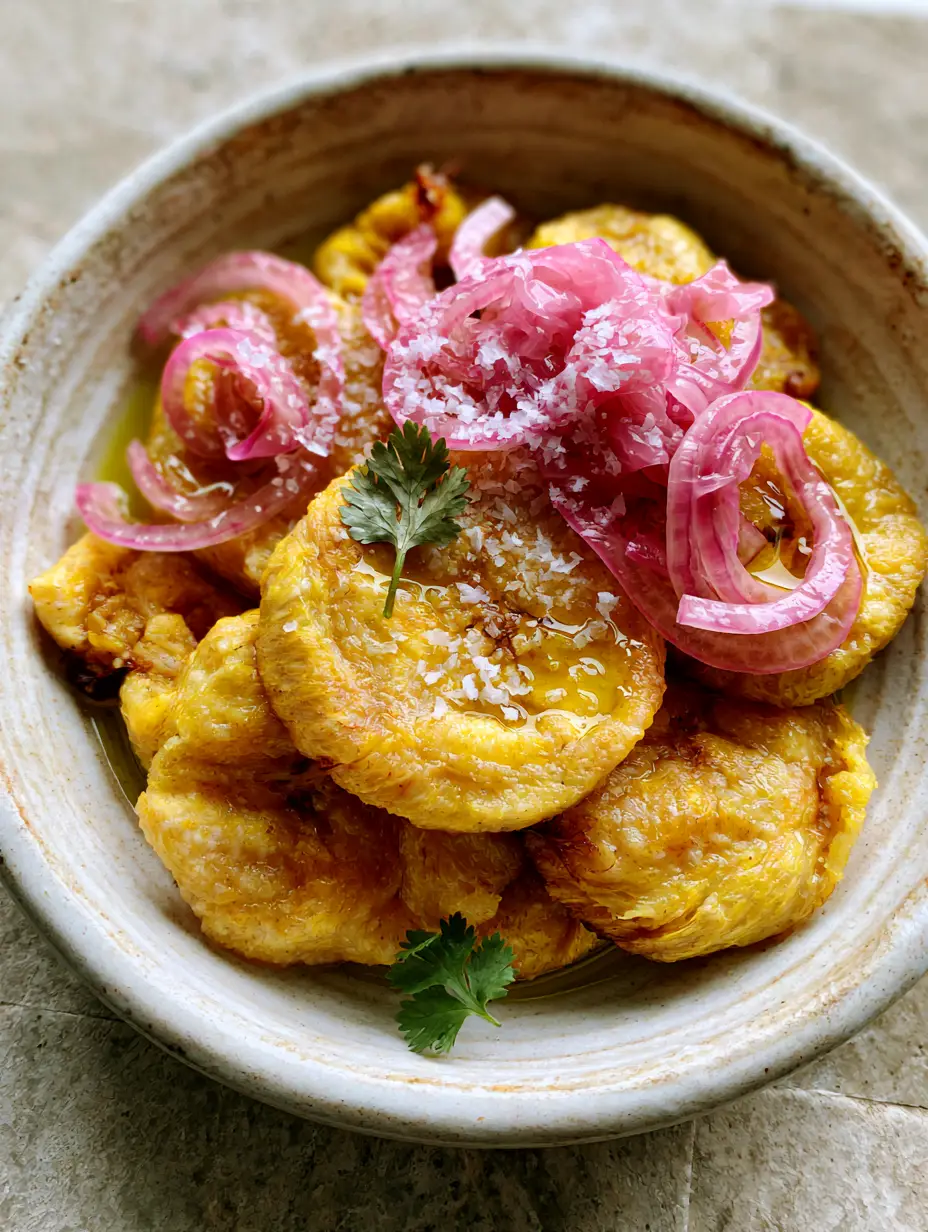
The magic of this dish lies in the contrast between the moist, visible starchy grains of the plantain and the bright, acidic crunch of translucent pickled red onion rings. Every bite offers a symphony of sensations, from the fine dusting of flaky sea salt to the luscious highlights of a premium extra virgin olive oil drizzle.
In this guide, we will explore the forensic details required to achieve that elusive, non-rubbery finish seen in high-end Caribbean kitchens. Whether you are seeking a gluten-free starch alternative or a nostalgic taste of home, these Boiled Green Plantains will elevate your table with their rustic elegance and profound simplicity.
Why These Boiled Green Plantains Outshine Every Other Starch
- The “Melt-in-Your-Mouth” Grain: Unlike potatoes, which can become gluey, these plantains maintain a distinct, tender starchy grain that holds its shape while remaining incredibly soft.
- A Visual Masterpiece: The vibrant pop of translucent pink pickled onions against the pale yellow plantain rounds creates a restaurant-quality presentation in minutes.
- Scientific Texture Control: By using specific boiling techniques and “invisible” foundational ingredients, we eliminate the rubbery toughness often associated with poorly cooked green plantains.
- Nutrient-Dense Versatility: High in resistant starch and potassium, this dish provides a slow-release energy source that pairs perfectly with high-protein mains.
- Aromatic Finishing: The use of fresh cilantro and high-quality olive oil adds a layer of olfactory complexity that bridges the gap between humble home cooking and gourmet dining.
The Essential Elements for Perfect Plantain Rounds
Green Plantains (3 Large): These must be strictly green with no yellow spots to ensure the correct starch profile. Their role is to provide the structural foundation and the signature pale yellow hue once boiled.
Filtered Water (8 cups / 1.9L): Using clean, filtered water ensures no off-flavors interfere with the delicate, nutty taste of the plantain. It is the medium that facilitates starch gelatinization.
Sea Salt (2 tbsp / 36g): Beyond seasoning, salt in the boiling water raises the boiling point slightly and seasons the plantain from the inside out. We also use flaky sea salt for a finishing textural pop.
Lemon Juice or White Vinegar (1 tbsp / 15ml): This is a “forensic” ingredient. The acidity prevents the plantains from oxidizing and turning grey, keeping them that beautiful pale buttery yellow.
Red Onion (1 medium): When sliced paper-thin and pickled, these provide the essential acid component to cut through the density of the starch. They must become translucent to match our visual blueprint.
Apple Cider Vinegar (1/4 cup / 60ml): Used for the quick-pickle of the onions, it adds a fruity brightness that traditional white vinegar lacks. It softens the onion fibers until they are yielding.
Extra Virgin Olive Oil (2 tbsp / 30ml): This is the “glistening” element. A light drizzle creates tiny highlights on the plantain rounds, enhancing the mouthfeel and carrying the flavor of the salt.
Fresh Cilantro (1 sprig): A single, vibrant sprig offers a focused aromatic hit and a visual anchor for the top-down presentation. Its grassy notes complement the earthy plantain.
Precision Tools for Culinary Success
Large Heavy-Bottomed Pot: A 5-quart (4.7L) pot ensures even heat distribution and prevents the plantains from crowding, which can lead to uneven cooking. Even heat is the secret to soft edges.
Mandoline Slicer or Ultra-Sharp Chef’s Knife: To achieve those translucent pickled red onion rings, the slices must be uniform and exceptionally thin. This ensures the acid penetrates the onion quickly.
Spider Strainer or Slotted Spoon: Essential for gently removing the tender rounds from the water without breaking their soft, yielding edges. We must protect the structural integrity of each slice.
Small Glass Mixing Bowl: Used for the pickling process. Glass is non-reactive, ensuring the vinegar does not take on a metallic taste while it works on the onions.
The Step-by-Step Path to Buttery Plantain Perfection
Preparing the Pickled Onion Garnish
Begin by slicing your red onion into paper-thin rings. Place them in a small glass bowl and submerge them in 1/4 cup (60ml) of apple cider vinegar and a pinch of salt.
Allow them to sit for at least 20 minutes. You will see them transform from opaque purple to a beautiful translucent pink, softening in texture until they are perfectly yielding.
Mastering the Plantain Prep
Cut off the ends of each green plantain. Use the tip of your knife to score the thick skin lengthwise in three places, being careful not to cut into the flesh.
Peel the skin away—it will be firm and may require a bit of thumb pressure. Once peeled, slice the plantains into 1-inch (2.5cm) rounds, ensuring each piece is uniform for even cooking.
The Controlled Boiling Process
Bring 8 cups (1.9L) of water to a rolling boil. Add 1.5 tbsp (27g) of sea salt and 1 tbsp (15ml) of lemon juice to the water. The lemon juice is your insurance policy for that pale buttery yellow color.
Carefully drop the plantain rounds into the water. Reduce the heat to a medium-high simmer. You want active water movement but not a violent boil that might bash the soft edges of the fruit.
Testing for Sensory Cues
Boil for 20 to 25 minutes. At the 20-minute mark, use a fork to test for tenderness. The fork should slide in with zero resistance, and you should see visible starchy grains on the surface.
Look for the visual cue: the edges of the rounds should look slightly translucent and yielding, not sharp or rigid. The color should be a consistent, pale buttery yellow throughout.
The Final Forensic Assembly
Drain the plantains and arrange them in a rustic off-white ceramic bowl. Immediately drizzle with 2 tbsp (30ml) of extra virgin olive oil while the plantains are steaming; this allows the oil to penetrate the surface.
Top with a generous mound of your translucent pickled red onion rings. Sprinkle the entire dish with a fine dusting of flaky sea salt, ensuring some flakes land on the oil highlights for a glistening effect.
Place a single sprig of fresh cilantro off-center. Serve immediately while the steam is still rising, capturing that peak moist and tender texture.
Expert Tips for Success
- Don’t Skip the Acid: If you omit the lemon juice in the water, your plantains may take on a grey or brownish tint. For that “high-detail smartphone photo” look, the acid is non-negotiable.
- The Cold Start Myth: Always add plantains to boiling water, not cold water. Starting in hot water sets the starch quickly, preventing the rounds from becoming waterlogged and mushy.
- Salt the Water Like the Sea: Plantains are dense starches. If the water isn’t heavily salted, the interior of the plantain will be bland, regardless of how much salt you put on top.
- Oil Selection: Use a high-quality “finishing” olive oil. Since we aren’t cooking the oil, its raw flavor profile will be very prominent against the neutral plantain.
Storage, Reheating, and Freezing
Storage: These Boiled Green Plantains are best enjoyed fresh. However, you can store leftovers in an airtight container for up to 3 days. Keep the onions in a separate container to maintain their crunch.
Reheating: To maintain the moist texture, do not microwave them dry. Place them in a steamer basket for 5 minutes, or sauté them lightly in a pan with a splash of water and a lid to trap the steam.
Freezing: We do not recommend freezing boiled plantains as the cell structure collapses upon thawing, resulting in a rubbery and unpleasant texture that defies our visual blueprint.
What to Serve With This Caribbean Staple
This dish is an incredible alternative to potatoes or rice. It pairs beautifully with rich, saucy proteins that the plantain can soak up. Consider serving it alongside a vibrant German chicken salad for a fusion of textures.
For a more robust dinner, these plantains are the perfect companion to cowboy butter steak bites. The garlic-heavy butter from the steak acts as an additional dipping sauce for the starchy rounds.
If you enjoy exploring vegetable-forward meals, try serving this as a side to zucchini side dishes or even alongside ground beef dinner recipes for a complete, balanced plate. The acidity of the pickled onions also makes this a great palate cleanser for rich chicken enchiladas.
Frequently Asked Questions
Yes, they are a great source of resistant starch, fiber, and potassium. When prepared with minimal oil as in this recipe, they are a nutrient-dense, gluten-free carbohydrate.
You can, but for the cleanest texture and visual presentation, we recommend peeling and slicing them before boiling. This allows the salted water to season the flesh more effectively.
Adding an acid like lemon juice or white vinegar to the boiling water prevents oxidation, ensuring the plantains maintain a beautiful pale buttery yellow color.
Cut off the ends, score the skin lengthwise with a knife in three places, and use your thumb to pry the skin away from the flesh under warm running water to keep hands clean.
Rubbery plantains are usually the result of undercooking or using plantains that have started to ripen (turning yellow). Ensure you boil them for a full 20-25 minutes until the edges are soft and yielding.
The Ultimate Boiled Green Plantains Recipe
Boiled Green Plantains: The Ultimate Guide to Buttery, Tender Caribbean Comfort
Ingredients
Equipment
Method
- Slice the red onion into paper-thin rings using a mandoline. Submerge in apple cider vinegar and a pinch of salt for 20 minutes until translucent.
- Score and peel the green plantains. Cut into 1-inch (2.5cm) rounds.
- Add plantains to boiling water with salt and lemon juice. Simmer for 20-25 minutes until tender with visible starchy grains.
- Drain plantains, drizzle with olive oil, and top with pickled onions, flaky salt, and cilantro.
Notes
Use a finishing-grade olive oil for the best flavor profile.
Experience the Rustic Elegance of Caribbean Cooking
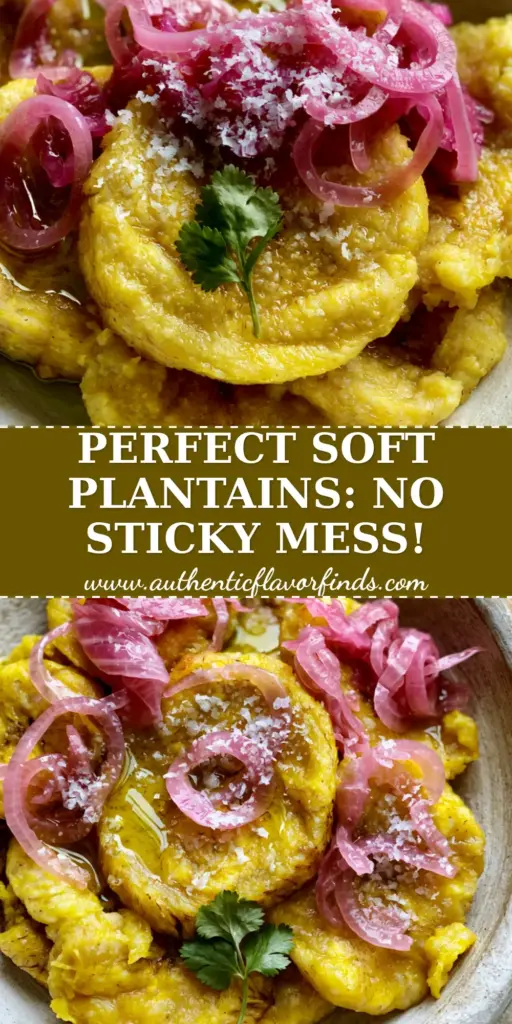
Mastering Boiled Green Plantains is a rite of passage for any home cook looking to expand their global repertoire. By focusing on the forensic details—the acidity of the water, the thickness of the onions, and the timing of the boil—you transform a simple ingredient into a gourmet experience.
We invite you to try this recipe and see the “buttery” results for yourself. Did yours come out with those perfect starchy grains? Let us know in the comments below! Don’t forget to share your creations and follow us on Pinterest for more visually stunning recipe inspiration.