There is a specific kind of culinary magic that happens when high-heat searing meets the cool, crisp textures of fresh Mediterranean produce. These Greek-inspired recipes are designed to bridge the gap between a high-protein gym meal and a gourmet rustic dinner, focusing on the vibrant colors and bold, acidic flavors that define the Aegean coastline.
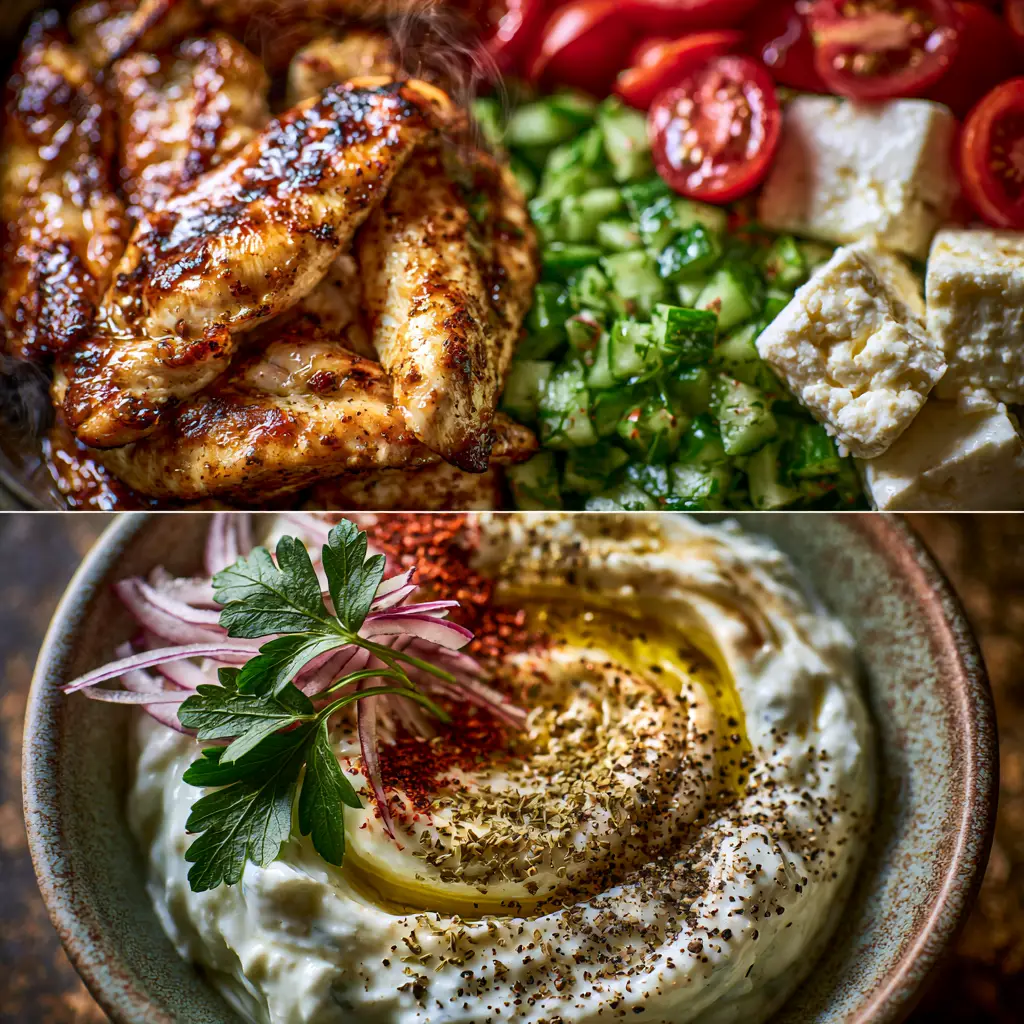
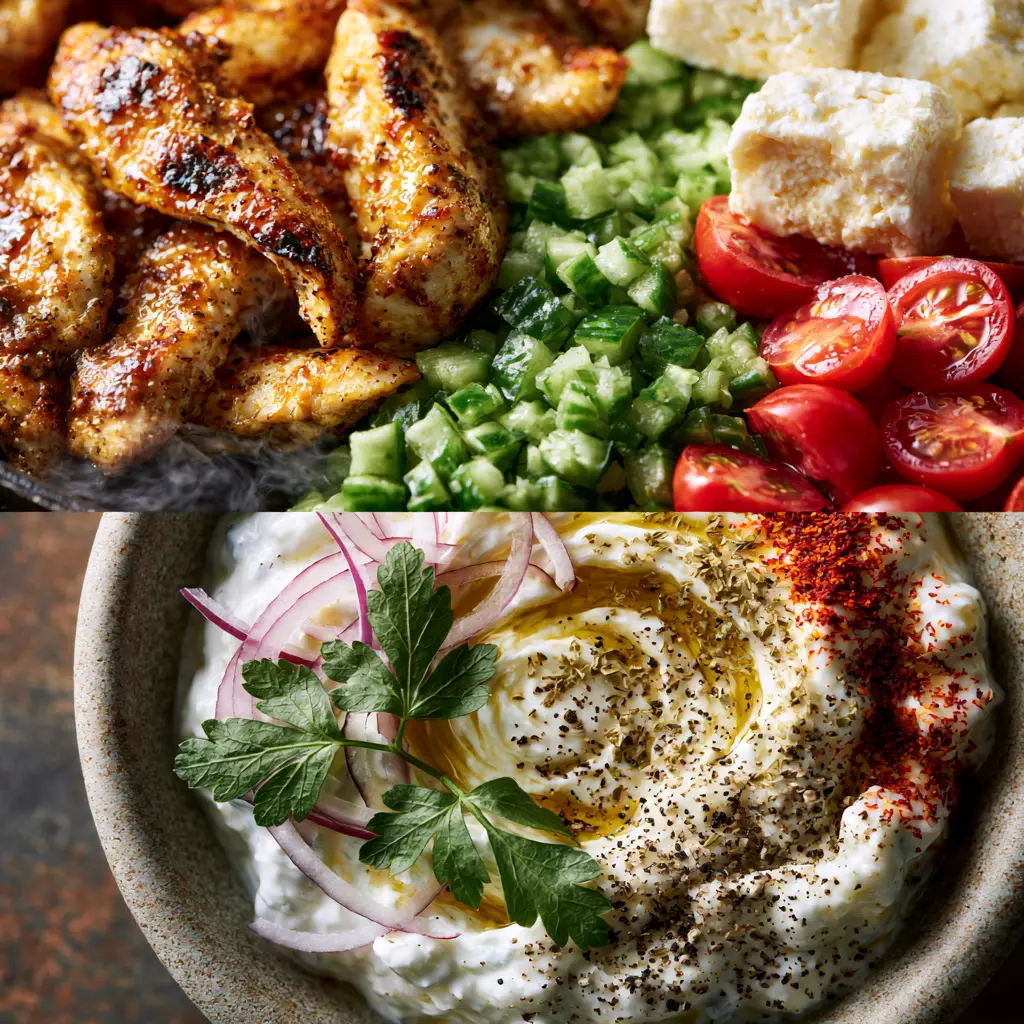
From the glistening, golden-brown char marks on the lemon-herb chicken strips to the velvety, thick swirl of authentic tzatziki sauce, every component in this bowl serves a specific sensory purpose. By mastering a few simple techniques—like properly draining your cucumbers and achieving a hard sear on your poultry—you can transform basic ingredients into a restaurant-quality feast.
This guide is crafted for the home cook who values both visual aesthetics and nutritional density. We are diving deep into the science of the perfect marinade and the textural contrast of crispy roasted chickpeas against creamy sheep’s milk feta cheese.
Why These Vibrant Mediterranean Bowls Are a Lifestyle Game Changer
- Textural Harmony: The combination of warm, seared chicken strips and cold, diced English cucumbers creates a dynamic eating experience that never feels monotonous.
- Meal Prep Efficiency: These components are designed to stay fresh and vibrant for up to four days, making them the ultimate solution for busy weekdays.
- Visual Appeal: With ruby red cherry tomatoes, emerald green parsley, and a dusting of bright red sumac, this dish is as beautiful as it is delicious.
- Probiotic Power: The thick, yogurt-based tzatziki sauce provides a healthy dose of probiotics while acting as a rich, low-calorie dressing.
The Essential Pantry for Authentic Greek-Inspired Recipes
To achieve the specific visual and flavor profile described in our blueprint, you must start with high-quality, whole-food ingredients. Each element below has been selected to ensure the final dish matches the professional photography standards of a high-end food blog.
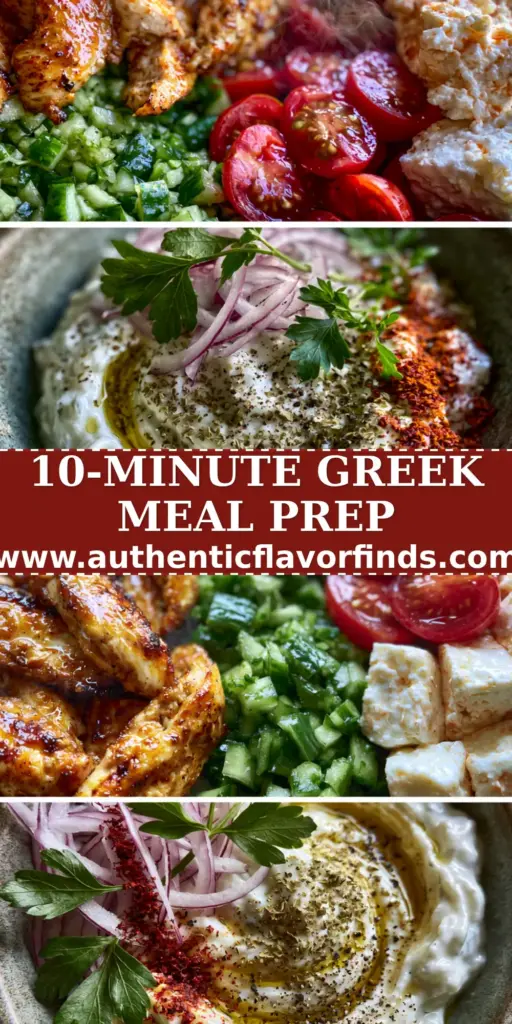
Boneless Skinless Chicken Breasts: We use 1.5 lbs (680g) of chicken, sliced into uniform strips to ensure even searing and maximum surface area for the lemon-herb marinade to cling to. The goal is a glistening finish with deep golden char marks that signal a Maillard reaction has occurred.
English Cucumbers: Unlike standard cucumbers, these have thinner skins and fewer seeds, providing that “emerald green” crunch without excess wateriness. You will need 2 cups (300g) of finely diced cucumber for the salad and additional grated portions for the sauce.
Cherry Tomatoes: These “ruby red” gems provide bursts of acidity and sweetness; we halve 1 pint (250g) of them to expose the seeds, which helps the dried oregano and olive oil adhere to their surface. Their color is essential for the visual contrast against the white feta.
Sheep’s Milk Feta Cheese: Look for blocks stored in brine rather than pre-crumbled varieties to achieve those “chunky blocks” seen in the hero shot. You will use 4 oz (113g) of this salty, tangy cheese to provide the creamy fat needed to balance the lemon juice.
Kalamata Olives: These provide a deep purple hue and a fermented, salty punch that cuts through the richness of the chicken. We recommend 1/2 cup (75g) of pitted olives, either kept whole or halved lengthwise.
Greek Yogurt (5% Fat): The foundation of our “thick, velvety white tzatziki” is 1.5 cups (350g) of full-fat Greek yogurt. Lower fat versions will result in a runny sauce that won’t hold the characteristic swirl of olive oil.
Canned Chickpeas: To achieve the “golden-brown” visual, 1 can (15 oz / 425g) of chickpeas is drained, dried thoroughly, and roasted until they provide a nutty, crunchy counterpoint to the soft vegetables.
Foundational Aromatics and Spices: You will need extra virgin olive oil for the “glistening” finish, fresh lemon juice for acidity, dried oregano, fresh flat-leaf parsley, slivered red onions, and two types of red spice: paprika for the chicken and a dusting of bright sumac for the final garnish.
Pro Tools for Achieving a Professional Kitchen Result
Achieving the “macro hero shot” look requires more than just good ingredients; you need the right tools to manage heat and texture. A heavy-bottomed cast iron or stainless steel skillet is non-negotiable for getting those iconic char marks on the chicken strips.
You will also need a fine-mesh sieve or cheesecloth to drain the grated cucumbers for the tzatziki sauce. Removing excess moisture is the “secret” step that prevents your sauce from becoming a watery mess once it hits the plate.
A sharp chef’s knife is required for creating those “ultra-thin slivers” of red onion and the “emerald green” dice on the cucumbers. Consistent knife work ensures that every bite has a balanced ratio of ingredients, which is the hallmark of professional Greek-inspired recipes.
Mastering the Art of the Charred Chicken and Creamy Tzatziki
Step 1: The Lemon-Herb Marinade Infusion
In a large bowl, whisk together 3 tbsp (45ml) of extra virgin olive oil, the juice of one lemon, 2 cloves of minced garlic, 1 tsp (2g) of dried oregano, and 1 tsp (2g) of paprika. Add your chicken strips and toss until every piece is coated in the vibrant red-orange mixture.
Allow the chicken to marinate for at least 30 minutes. The acid in the lemon juice begins to break down the muscle fibers, while the paprika ensures that “glistening” golden-brown color once the meat hits the hot pan.
Step 2: Achieving the Perfect Pan-Sear
Heat your skillet over medium-high heat with a splash of oil until it is shimmering but not smoking. Place the chicken strips in a single layer, ensuring they are not crowded; you want them to sear, not steam.
Cook for 4–5 minutes per side until a deep, dark crust forms and the internal temperature reaches 165°F (74°C). Look for the “steam rising from the chicken” as you remove them from the heat, and let them rest for 5 minutes to lock in the juices.
Step 3: Crafting the Velvety Tzatziki Sauce
Grate half of an English cucumber and squeeze it firmly inside a clean kitchen towel to remove every drop of excess liquid. In a medium bowl, combine the dry cucumber pulp with 1.5 cups (350g) of Greek yogurt, 1 tbsp (15ml) of olive oil, and a pinch of salt.
Use the back of a spoon to create a deep dollop in a rustic matte ceramic bowl. Create a decorative swirl and fill the grooves with extra virgin olive oil, a sprinkle of fine dried oregano, and a dusting of bright sumac for that professional finish.
Step 4: The Crispy Chickpea Crunch
Toss your drained chickpeas with 1 tbsp (15ml) of olive oil and a pinch of salt. Roast them at 400°F (200°C) for 20 minutes, shaking the pan halfway through, until they are golden-brown and slightly split.
These provide the “crouton” element of the bowl, adding a necessary earthy depth that complements the brightness of the “ruby red” cherry tomatoes and fresh parsley sprigs.
Secrets to Achieving Restaurant-Quality Meal Prep
- The “Dry” Rule: Always pat your chicken and chickpeas completely dry before cooking. Moisture is the enemy of the golden-brown char we are looking for in these Greek-inspired recipes.
- Onion Mellowing: If raw red onions are too sharp for you, soak the “ultra-thin slivers” in ice water for 10 minutes. This preserves the crunch while removing the aggressive bite.
- Feta Temperature: Serve your feta cold. The contrast between the cold, tangy sheep’s milk cheese and the warm, seared chicken is a hallmark of Mediterranean dining.
- Herb Freshness: Only chop your fresh flat-leaf parsley right before serving to maintain that “emerald green” color and prevent bruising.
How to Keep Your Greek Prep Fresh
These bowls are excellent for longevity, but storage order matters. Store the seared chicken and roasted chickpeas in one airtight container, and the fresh vegetables (cucumber, tomato, onion) in another.
The tzatziki sauce should be kept in its own small jar to prevent it from making the other ingredients soggy. When stored this way, your meal prep will stay crisp and delicious for 3–4 days in the refrigerator.
We do not recommend freezing the fresh vegetable components, as the cellular structure of the cucumbers and tomatoes will collapse upon thawing. However, the marinated, cooked chicken can be frozen for up to 2 months.
Elevating Your Mediterranean Feast
While these bowls are a complete meal on their own, they also pair beautifully with other traditional flavors. You might consider serving them alongside some crispy Greek zucchini fritters for an extra dose of vegetables.
If you are hosting a larger gathering, these ingredients can be easily transitioned into a Greek chicken souvlaki grazing board where guests can build their own wraps. For those who love a variety of textures, adding a side of chilled cucumber salad can provide extra hydration on a hot summer day.
If you find yourself with leftover feta and vegetables, they are the perfect base for a savory feta casserole the next evening. Exploring different Greek food dishes is a wonderful way to expand your culinary repertoire while keeping your diet clean and nutrient-dense.
Common Kitchen Queries
English cucumbers are preferred because they have fewer seeds and thinner skin, providing a superior crunch and less water release compared to standard garden cucumbers.
While both are red, they have very different flavors. Paprika is earthy and sweet (or smoky), while sumac is bright and citrusy. Use paprika for the chicken marinade and sumac as a finishing garnish.
Use a heavy skillet over medium-high heat, ensure the chicken is patted dry before marinating, and avoid crowding the pan so the meat sears instead of steaming.
Authentic Greek feta is made from sheep’s milk (sometimes with a bit of goat’s milk), providing a tangier flavor and creamier texture that holds up better in large chunks.
The key is aggressively straining the grated cucumbers using a fine-mesh sieve or cheesecloth to remove all excess moisture before folding them into full-fat Greek yogurt.
The Perfect Greek-Inspired Chicken & Tzatziki Bowl Recipe
Greek-inspired Recipes: The Ultimate Mediterranean Chicken and Tzatziki Meal Prep Bowls
Ingredients
Equipment
Method
- Toss chicken strips with olive oil, lemon, garlic, paprika, and oregano. Let sit for 30 minutes.
- Cook in a hot skillet for 4-5 minutes per side until golden-brown char marks appear and steam rises.
- Combine strained grated cucumber with yogurt, olive oil, and oregano in a matte bowl. Swirl with extra oil.
- Divide chicken, cucumbers, tomatoes, feta, olives, and chickpeas into bowls. Garnish with red onion, parsley, and sumac.
Notes
Squeeze cucumbers aggressively to prevent a watery tzatziki sauce.
Closing & Call to Action
Mastering these Greek-inspired recipes allows you to bring the vibrant, sun-drenched flavors of the Mediterranean into your daily routine. With the perfect balance of charred proteins, crisp vegetables, and that signature velvety tzatziki, this is a meal that satisfies every craving.
We would love to see your kitchen creations! Did you manage to get those perfect char marks on your chicken? Tag us on social media or leave a comment below with your favorite Mediterranean twist.
For more daily culinary inspiration and visually stunning recipe ideas, be sure to follow us and save this recipe to your boards on Pinterest.