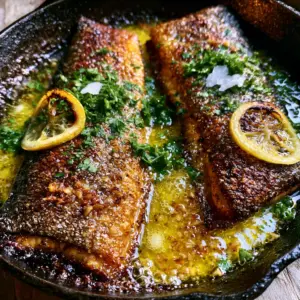
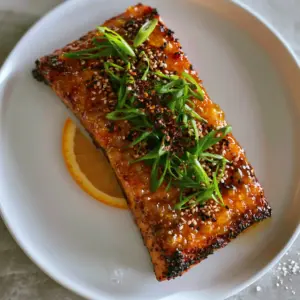
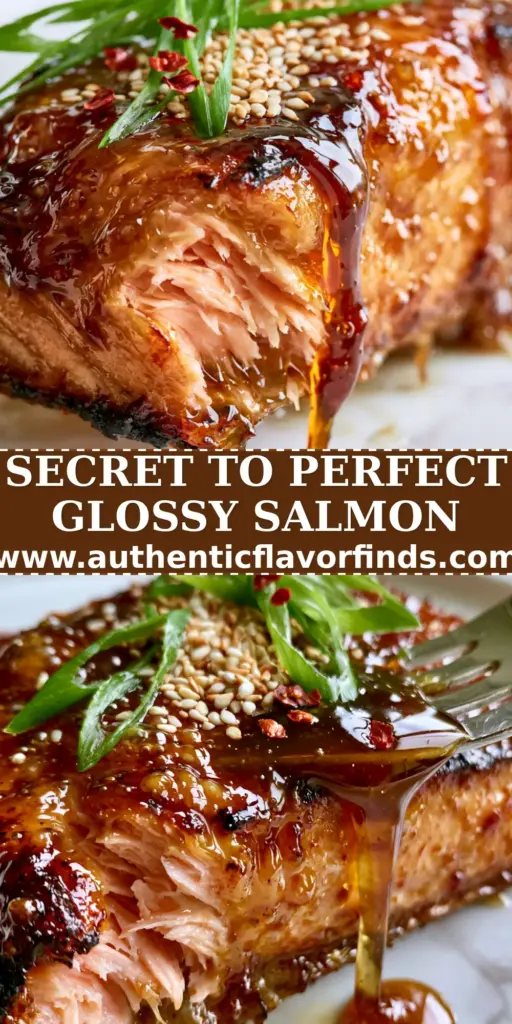
There is a specific culinary magic that happens when a high-quality Atlantic salmon fillet meets the perfect salmon marinade. We aren’t just looking for flavor; we are chasing a visual and textural masterpiece defined by a thick, mirror-like amber glaze and edges so perfectly charred they crackle under a silver fork. When you lift a portion of this fish, it should reveal moist, glistening pink layers that flake apart with zero resistance.
Achieving this level of restaurant-quality execution at home requires more than just luck. It demands a scientific understanding of how sugars caramelize and how acids penetrate protein fibers. This salmon marinade is engineered to provide that deep, syrupy dark golden sauce that clings to every crevice of the fish, creating a reflective coating that looks as incredible as it tastes.
Whether you are preparing a quick weeknight meal or a sophisticated dinner for guests, the way you treat your salmon before it hits the pan determines the final result. By balancing raw honey with aromatic garlic and savory elements, we create a profile that enhances the natural richness of the Atlantic salmon without overpowering its delicate oceanic sweetness.
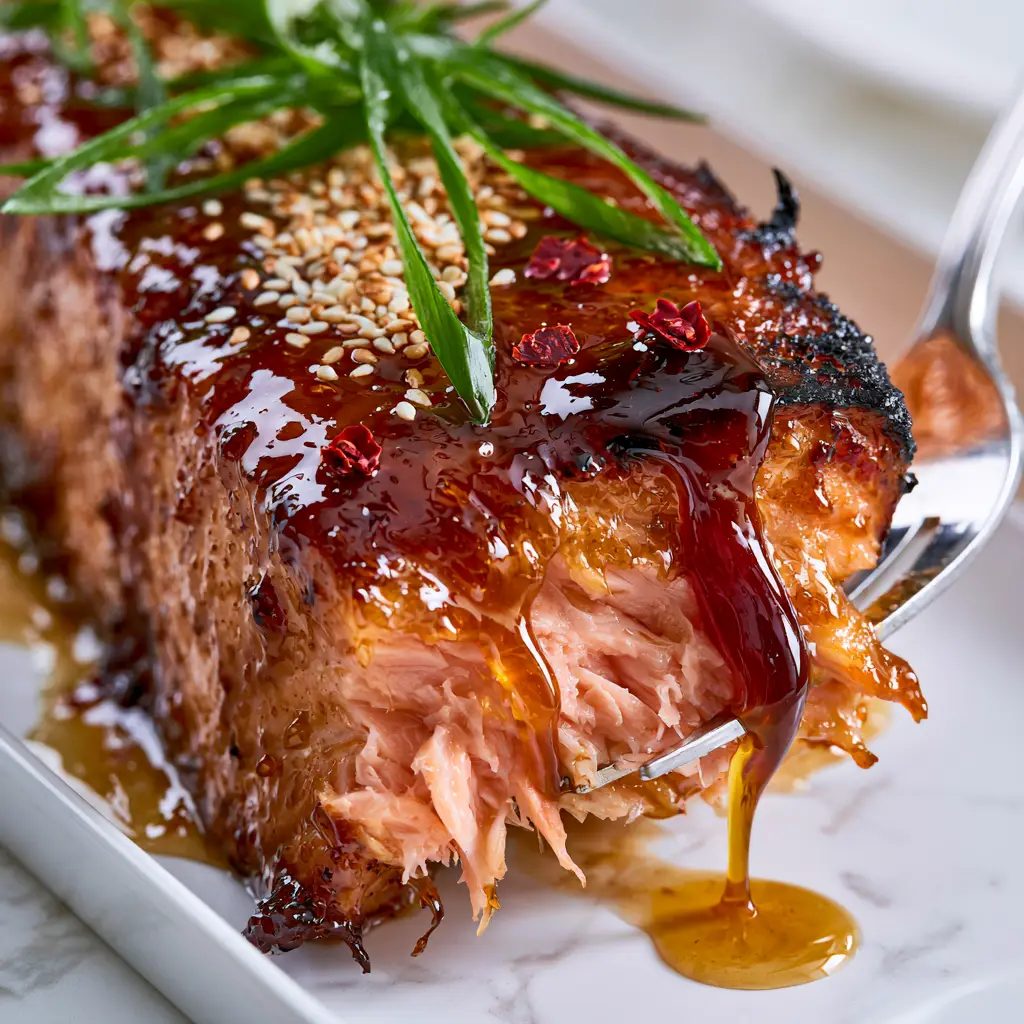
The Anatomy of a Perfect Honey Garlic Salmon Result
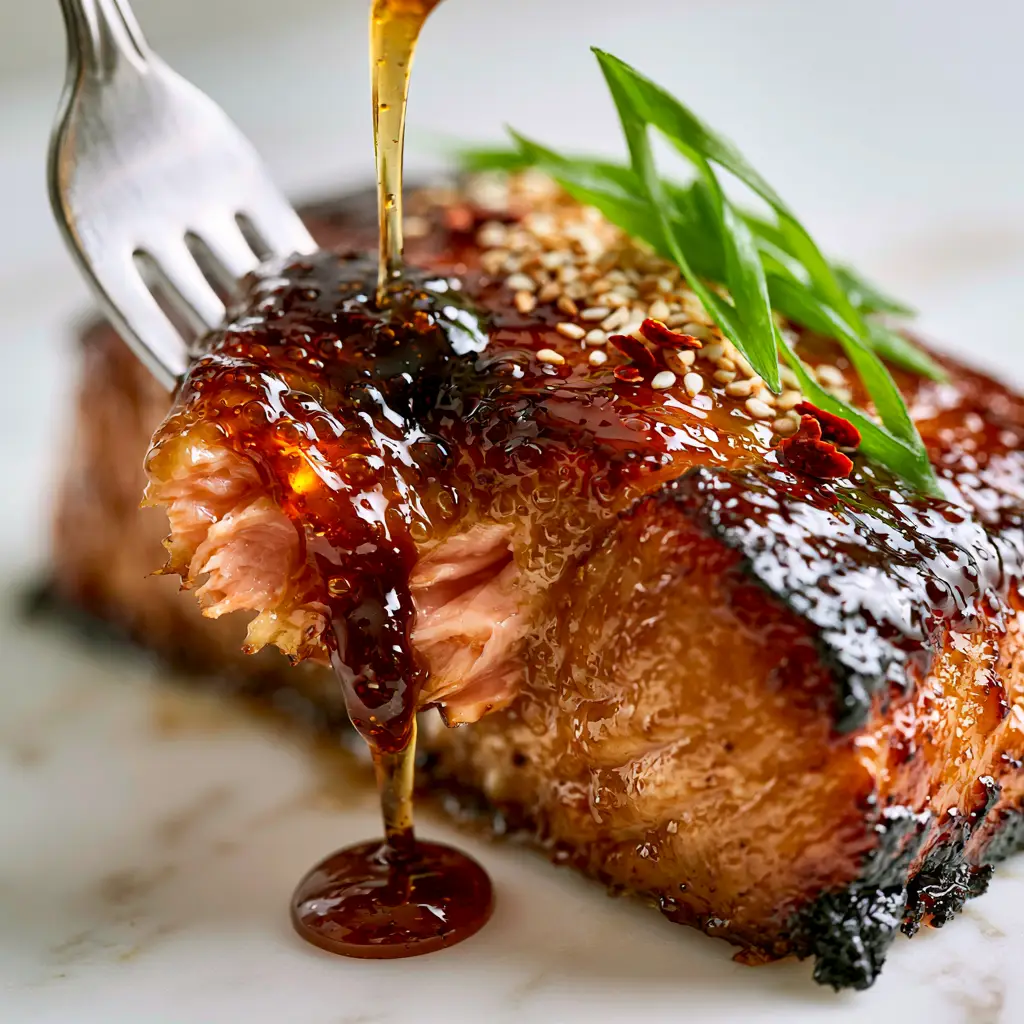
- Reflective Amber Glaze: A thick, bubbling reduction that coats the fish in a dark golden, mirror-like sheen.
- Forensic Flakiness: A moist interior that separates into distinct pink layers at the touch of a fork.
- Caramelized Edges: Deeply seared, slightly charred perimeters that provide a bitter-sweet contrast to the succulent center.
- Textural Garnishes: The crunch of toasted white sesame seeds paired with the fresh, sharp bite of paper-thin bias-cut scallions.
- Balanced Heat: A subtle, lingering warmth provided by a precise sprinkle of crushed red pepper flakes.
The Science Behind Our Liquid Gold Ingredients
Every component in this salmon marinade serves a functional purpose in achieving the visual blueprint of the dish. We don’t use “fluff” ingredients; every addition is calculated for its contribution to viscosity, color, or structural integrity during the high-heat searing process.
Raw Amber Honey: 1/3 cup (115g). The primary sugar source that creates the syrupy, bubbling glaze. Honey has a lower burning point than granulated sugar, allowing it to caramelize into that beautiful dark golden hue quickly during the final stages of cooking.
Low-Sodium Soy Sauce: 3 tbsp (45ml). This provides the essential umami base and the deep pigment necessary for the amber color. Using low-sodium allows us to control the seasoning without making the reduction overly salty as it concentrates in the pan.
Fresh Grated Ginger: 1 tsp (5g). Ginger adds a bright, slightly spicy top note that cuts through the fatty richness of the Atlantic salmon. It also contains enzymes that help slightly tenderize the surface of the fish.
Minced Garlic Cloves: 3 large cloves (15g). Garlic provides the aromatic backbone. When sautéed in the marinade, it becomes toasted and sweet, embedding itself into the reflective glaze for a textured look and savory aroma.
Rice Vinegar: 1 tbsp (15ml). Acidity is crucial to balance the heavy sweetness of the honey. The vinegar brightens the overall flavor profile and helps the marinade penetrate deeper into the salmon’s muscle fibers.
Toasted Sesame Oil: 1 tsp (5ml). A small amount of this oil provides a massive aromatic payoff. It introduces a nutty scent that complements the white sesame seed garnish perfectly.
High-Smoke Point Oil: 1 tbsp (15ml) for the pan. Use avocado or grapeseed oil to achieve the charred edges. These oils can withstand the high temperatures required to sear the fish without smoking or breaking down.
Atlantic Salmon Fillets: 2 large fillets (approx. 6oz/170g each). Look for thick-cut fillets with vibrant pink color and clear fat marbling. The thickness is essential to ensure the interior stays moist while the exterior develops that heavy glaze.
Essential Equipment for Culinary Success
To replicate the macro-detail of the bubbling glaze and charred edges, you need the right tools. A heavy-bottomed stainless steel or cast iron skillet is non-negotiable for heat retention. These pans allow for a consistent sear that creates the caramelized crust seen in the professional visual blueprint.
You will also need a flexible fish spatula to flip the fillets without breaking the delicate flaky layers. A small whisk is necessary to emulsify the salmon marinade ingredients, ensuring the honey and soy sauce are perfectly integrated before they meet the heat. Finally, a sharp chef’s knife is required for those paper-thin, bias-cut scallions that top the dish.
The Step-by-Step Path to a Mirror-Like Glaze
1. Emulsifying the Marinade Base
In a small glass bowl, combine the honey, soy sauce, rice vinegar, toasted sesame oil, grated ginger, and minced garlic. Whisk vigorously until the honey is completely dissolved and the mixture is a uniform, dark amber liquid. Set aside about 2 tablespoons (30ml) of this mixture to use as a finishing drizzle later.
2. The Controlled Marination Phase
Place your Atlantic salmon fillets in a shallow dish and pour the remaining salmon marinade over them. Ensure the top surface is completely submerged. Allow the fish to rest for at least 15 minutes, but no more than 30 minutes. Excess marination in acidic soy and vinegar can begin to “cook” the fish, ruining the moist, flaky interior we are aiming for.
3. Achieving the Perfect Sear
Heat your high-smoke point oil in a skillet over medium-high heat. Once the oil is shimmering and just starting to whisps of smoke, carefully place the salmon fillets skin-side up (flesh-side down). Sear for 3-4 minutes without moving them. You are looking for a deep golden-brown crust to form—this is where those charred caramelized edges begin to develop.
4. The Glazing and Reduction Technique
Flip the salmon fillets carefully. Reduce the heat to medium. Pour the remaining marinade from the dish into the pan. As the liquid hits the hot surface, it will begin to bubble intensely. Use a spoon to continuously baste the salmon with the bubbling sauce. Watch as the liquid reduces into a thick, syrupy, mirror-like coating.
5. Sensory Cues for Doneness
The salmon is ready when the glaze is dark golden and the edges are slightly charred. The interior should be opaque and start to separate into moist layers. If you press the side of the fillet with a fork, it should feel firm but give way to the “flaky” layers described in the visual prompt. Remove from heat immediately to prevent overcooking.
Expert Tips for a Flawless Salmon Presentation
- Pat Dry Before Marinating: Even though you are using a liquid marinade, ensure the salmon is patted dry with paper towels first. This allows the marinade to cling more effectively to the protein.
- Don’t Crowd the Pan: If the fillets are too close, they will steam rather than sear. Space them out to ensure the heat can circulate, creating those crispy, charred edges.
- Temperature Control: If the honey starts to smell burnt rather than caramelized, immediately add a teaspoon of water to the pan to slow down the sugar reduction.
- The Bias Cut: For the scallions, hold your knife at a 45-degree angle. This creates long, elegant, paper-thin ovals that provide a professional aesthetic.
How to Store and Reheat Your Glazed Salmon
Leftover salmon can be stored in an airtight container in the refrigerator for up to 2 days. To maintain the integrity of the salmon marinade glaze, avoid the microwave if possible. Reheat the fillet in a covered skillet over low heat with a splash of water to re-moisturize the sauce.
While you can freeze cooked salmon, we don’t recommend it for this specific recipe. The delicate flakiness and the reflective nature of the honey garlic glaze are best enjoyed fresh from the pan. If you must freeze, do so before cooking by freezing the fillets inside the marinade in a vacuum-sealed bag.
Creative Pairings for a Complete Meal
This honey garlic salmon is the star of the show, but it pairs beautifully with sides that soak up that extra amber sauce. Consider serving it over a salmon rice bowl recipe with steamed bok choy and avocado. The sweetness of the glaze also complements the tang of a cucumber salad recipe.
If you are looking for more vegetable-heavy sides, our zucchini side dishes or a crisp greek salad recipe provide a refreshing contrast to the rich Atlantic salmon. For a surf-and-turf inspired spread, you might even serve these alongside some cowboy butter steak bites.
Frequently Asked Questions
Yes, but ensure it is completely thawed and patted extremely dry. Excess moisture from frozen fish will steam the salmon, preventing the development of those signature charred caramelized edges.
Leaving the skin on helps hold the fillet together during the glazing process, but this salmon marinade works equally well for skinless fillets if you handle them carefully with a fish spatula.
For the best results, marinate for 15-30 minutes. Marinating for too long (over 1 hour) can cause the acidity in the rice vinegar and soy sauce to break down the delicate protein structures, leading to a mushy texture.
Start with a very hot skillet and sear the flesh side first for 3-4 minutes. This creates the crust. Then, lower the heat when adding the marinade to finish the interior gently while the glaze reduces.
This usually happens if the pan isn’t hot enough or if the sauce hasn’t reduced sufficiently. Ensure you are basting the fish as the marinade bubbles; the evaporation of water is what leaves behind the thick, syrupy amber glaze.
The Ultimate Honey Garlic Salmon Marinade Recipe
Salmon Marinade for the Ultimate Mirror-Glazed Honey Garlic Fillet
Ingredients
Equipment
Method
- In a bowl, whisk honey, soy sauce, rice vinegar, ginger, garlic, and sesame oil until emulsified.
- Place salmon in the mixture for 15-30 minutes, ensuring the flesh is well-coated.
- Heat oil in a skillet over medium-high. Sear salmon flesh-side down for 3-4 minutes until charred edges form.
- Flip the salmon, add remaining marinade to the pan, and baste until the sauce becomes a thick, bubbling amber glaze.
- Top with toasted sesame seeds, bias-cut scallions, and red pepper flakes before serving.
Notes
Ensure the pan is hot before adding the fish to achieve those caramelized, slightly charred edges.
Closing Thoughts on Mastering the Glaze
Mastering the perfect salmon marinade is a gateway to high-end home cooking. By focusing on the visual cues—the bubbling glaze, the charred edges, and the moist flakes—you transform a simple piece of fish into a gourmet experience. This recipe proves that with the right technique, you can achieve a reflective, syrupy finish that looks like it came straight from a professional kitchen.
We would love to see your results! If you enjoyed this recipe, please leave a comment below and share your photos with us. Don’t forget to follow us on Pinterest for more culinary inspiration and visual recipe blueprints.