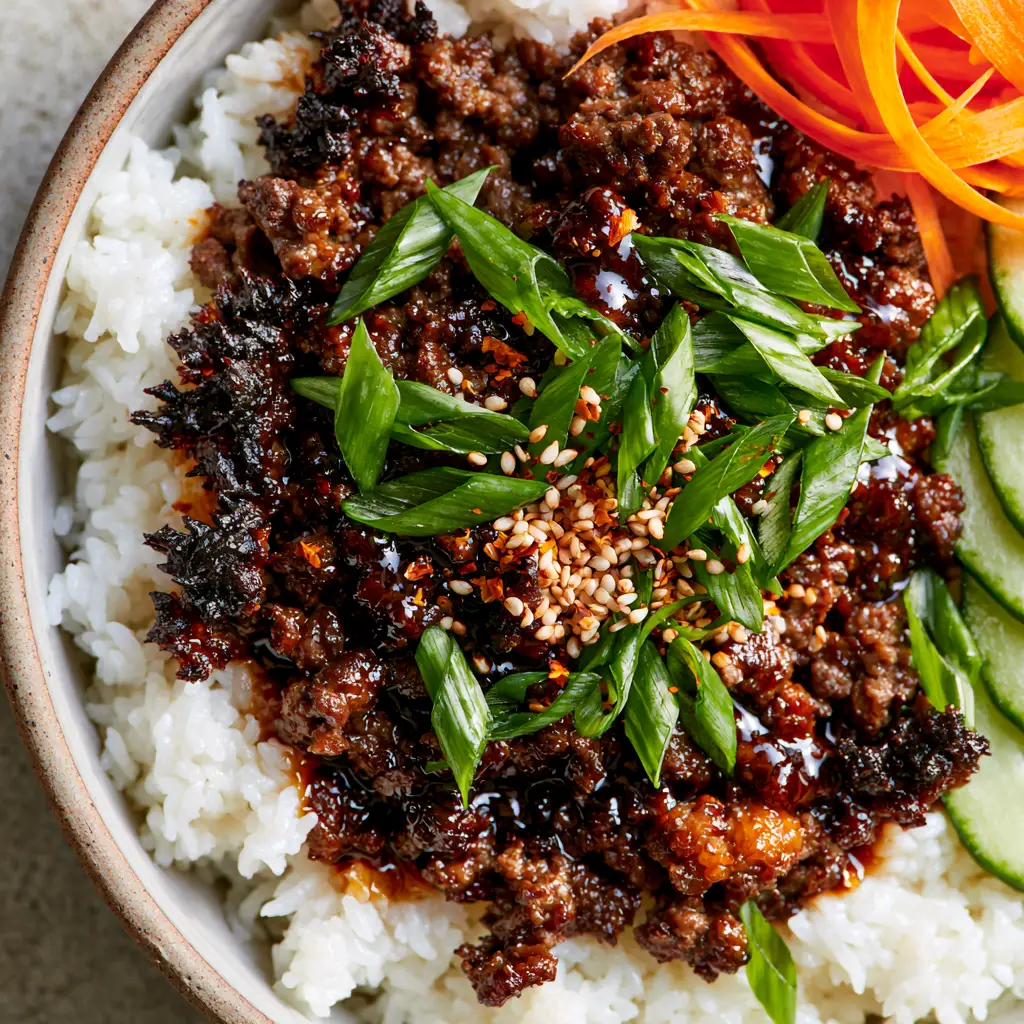
When it comes to weeknight dinners that deliver maximum flavor with minimal effort, Korean beef bowls are the undisputed champion. Imagine a bowl where the textures are as vibrant as the colors: deeply caramelized, crispy-edged ground beef meets the cool, refreshing crunch of julienned carrots and Persian cucumbers. This isn’t just another quick meal; it is a masterclass in the balance of umami, sweet, and heat, all served over a bed of cloud-like jasmine rice.
The magic of these Korean beef bowls lies in the contrast between the hot, lacquered beef and the chilled, raw vegetables. By using high-protein ground beef and a specific searing technique, we achieve those jagged, dark-brown edges that provide a satisfying crunch in every bite. This recipe is designed for the home cook who craves the complexity of a slow-cooked meal but only has twenty minutes to spare.
Whether you are looking for new ground-beef dinner recipes or simply want a healthy, high-protein bowl that feels like takeout, this dish hits every mark. The glossy ginger-soy glaze clings to every morsel of meat, ensuring that no bite is left unseasoned. Let’s dive into the science of the sear and the art of the perfect rice bowl foundation.
Why This Specific Korean Beef Bowl Recipe Works
- Textural Contrast: We pair the “jagged, crispy edges” of hard-seared beef with the “soft, steaming fluffiness” of premium jasmine rice.
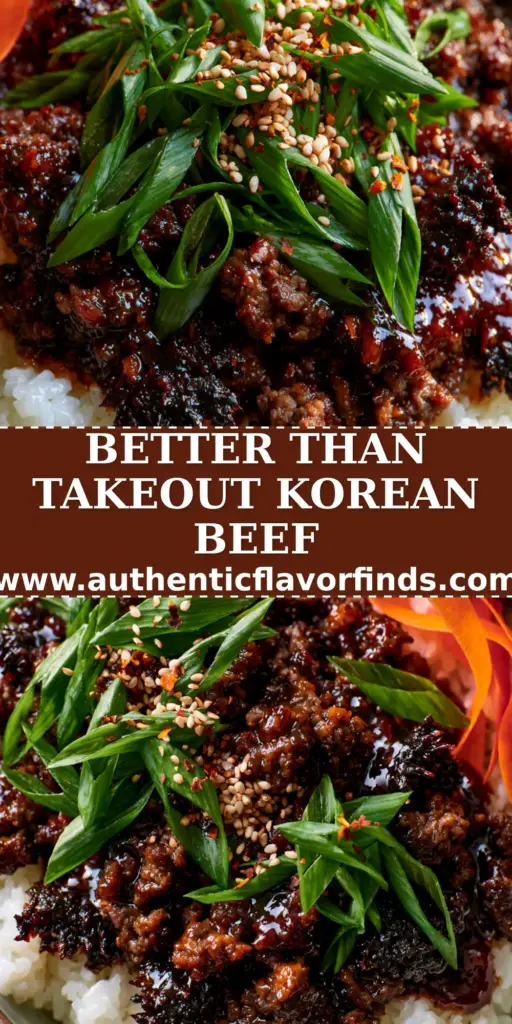
- Glossy Lacquered Finish: The use of brown sugar and fresh ginger creates a “thick, dark brown glaze” that mimics the high-end look of restaurant bulgogi.
- Culinary Balance: Chilled Persian cucumbers and julienned carrots provide a “bright, acidic counterpoint” to the rich, savory fats of the beef.
- Visual Appeal: With vibrant bias-cut green scallions and a heavy sprinkle of toasted sesame seeds, this dish is a feast for the eyes before it ever touches your tongue.
The Secret Components of a Glossy Korean Beef Bowl
To achieve the professional results seen in our visual blueprint, you need specific ingredients that perform under pressure. Here is what you will need to gather for these Korean beef bowls.
Jasmine Rice: 1.5 cups (300g). This long-grain variety provides the “fluffy steamed foundation” required for the beef to rest upon without becoming soggy.
High-Protein Ground Beef: 1 lb (454g). We recommend an 85/15 or 90/10 lean-to-fat ratio to ensure the meat sears and carmelizes rather than boiling in its own rendered fat.
The Aromatics (Ginger & Garlic): 1 tbsp (15g) fresh grated ginger and 3 cloves of minced garlic. These are the “invisible pillars” of flavor that create that signature Asian-inspired profile.
Soy Sauce: 1/3 cup (80ml). Choose a high-quality dark soy if possible to achieve the “deeply caramelized” dark brown color in the final glaze.
Brown Sugar: 1/4 cup (50g). This is the catalyst for the Maillard reaction, allowing the beef to develop those “crispy charred edges” and a sticky, lacquered texture.
Persian Cucumbers & Carrots: 2 cucumbers and 1 large carrot. These must be served “chilled and raw” to provide the essential temperature contrast that defines this bowl.
Garnishes: Green scallions, toasted white sesame seeds, and dried red pepper flakes. These add the “vibrant bias-cut” visual interest and a final layer of heat and nuttiness.
Essential Equipment for the Perfect Sear
To recreate the “top-down macro shot” quality of this dish, your tools matter. You don’t need a professional kitchen, but a few specific items will make a world of difference for your Korean beef bowls.
A Heavy-Bottomed Skillet or Cast Iron Pan: To get those “crispy, jagged dark-brown edges,” you need a pan that retains high heat. Cast iron is the gold standard for achieving a hard sear on ground meat.
A Microplane or Fine Grater: This ensures your ginger and garlic are pulverized into a paste, allowing them to melt into the “thick, glistening glaze” without leaving large, pungent chunks.
A Sharp Chef’s Knife: Essential for achieving the “thin julienned” carrots and the “bias-cut” scallions that give the dish its professional, clean aesthetic.
Achieving the Perfect Rice Foundation
The base of every great Korean beef bowl is the rice. Start by rinsing 1.5 cups (300g) of jasmine rice under cold water until the water runs clear. This removes excess starch, preventing the grains from clumping together.
Combine the rice with 1.75 cups (420ml) of water and a pinch of salt. Bring to a boil, then reduce to the lowest heat setting, cover tightly, and simmer for 15 minutes. Once done, let it sit undisturbed for 5 minutes before fluffing with a fork to achieve that “steaming white jasmine” texture.
If you find yourself making rice bowls often, you might also enjoy experimenting with different textures, much like the base of our shrimp avocado bowls or even a savory beef and broccoli recipe served over grains.
The Culinary Science of Caramelized Ground Beef
Step 1: The Hard Sear
Heat 1 tbsp (15ml) of neutral oil in your skillet over medium-high heat until it shimmers. Add the ground beef but do not break it up immediately. Let it sit undisturbed for 3-4 minutes.
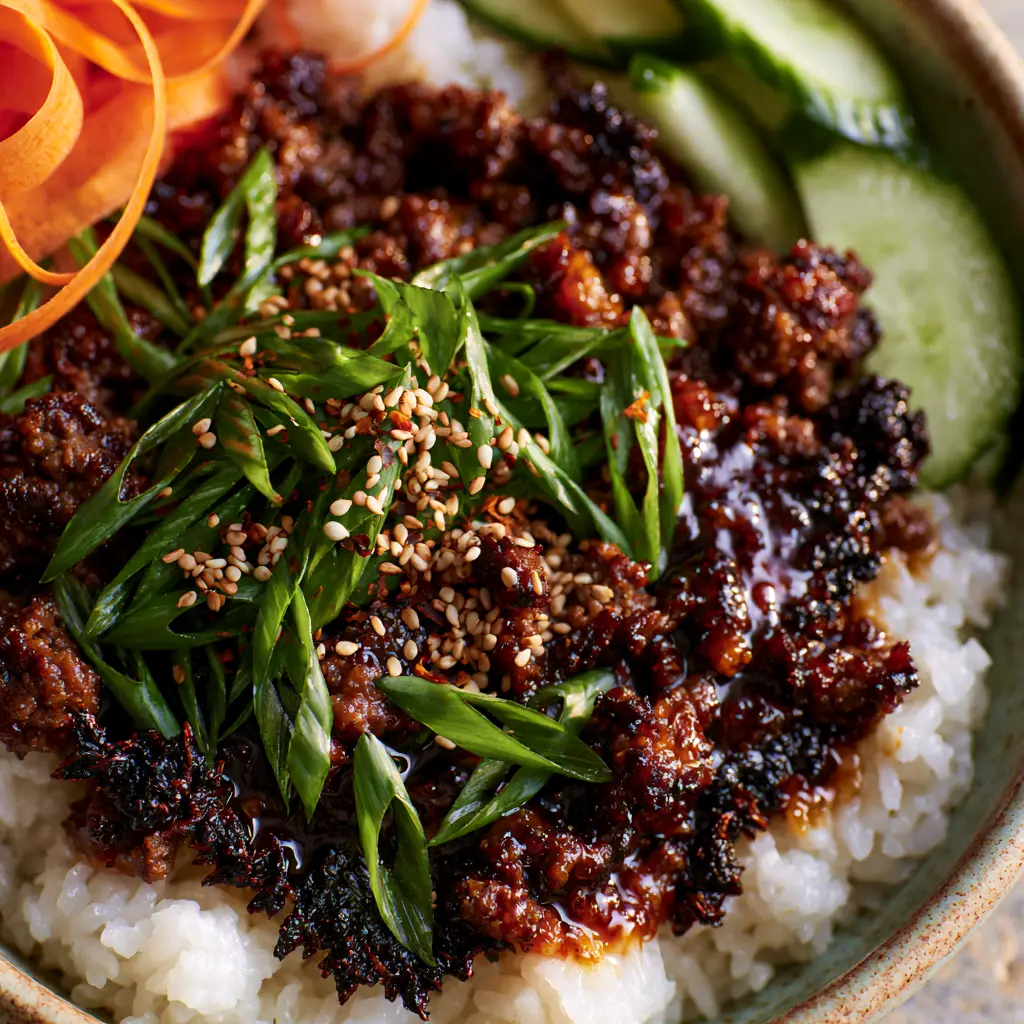
This patience allows the proteins to bond and brown, creating those “crispy charred edges” we are looking for. Once a dark brown crust has formed on the bottom, use a wooden spoon to break the meat into large, jagged chunks.
Step 2: Infusing the Aromatics
Once the beef is mostly browned, add the garlic and ginger. Stir frequently for about 60 seconds. You will know it’s ready when the kitchen smells intensely fragrant and the garlic turns a light golden hue.
Step 3: Creating the Lacquered Glaze
Whisk together the soy sauce, brown sugar, and 1 tsp (5ml) of sesame oil. Pour this mixture over the beef. The liquid will immediately begin to bubble and reduce.
Continue cooking for 2-3 minutes, stirring constantly. Watch for the “visual cue”: the sauce should transform from a thin liquid into a “thick, glistening, lacquered” coating that clings tightly to every piece of meat.
Assembling the Visual Masterpiece
Now comes the construction of your Korean beef bowls. This step is where the forensic accuracy of our blueprint comes to life. Start by spooning a generous portion of fluffy jasmine rice into a ceramic bowl.
Top one half of the rice with the caramelized beef. On the other side, arrange the “thin ribbons of bright orange carrots” and the “cool, crisp cucumber slices.” This separation ensures the vegetables stay chilled while the beef stays hot.
Finally, apply the garnishes with a heavy hand. Sprinkle the “bias-cut green scallions” across the center, followed by a dusting of “toasted white sesame seeds” and a pinch of “dried red pepper flakes.” The result should look exactly like a high-quality smartphone photo taken in natural daylight.
Expert Tips for Success
- Don’t Overcrowd the Pan: If your skillet is too small, the beef will steam instead of searing. If doubling the recipe, cook the meat in two batches to ensure those “crispy edges.”
- Temperature Control: Ensure your carrots and cucumbers are pulled straight from the fridge. The “chilled” element is vital for the sensory experience of the dish.
- The Sugar Factor: If you find the glaze too sweet, add a teaspoon of rice vinegar. This cuts through the richness and balances the “dark soy” profile.
- Rice Variations: While jasmine is our blueprint standard, you can swap it for brown rice or even cauliflower rice if you are looking for a lower-carb option, similar to the base of our honey garlic ground beef bowl.
What to Serve With Korean Beef Bowls
While these bowls are a complete meal on their own, they pair beautifully with other Asian-inspired sides. If you want to lean into the fresh vegetable aspect, consider serving a side of our cucumber salad recipes to double down on the crunch.
For those looking for a more hearty spread, these Korean beef bowls work surprisingly well alongside a spicy chicken enchilada for a fusion-style dinner party, or even a simple side of roasted zucchini side dishes.
Storage, Reheating & Freezing
These Korean beef bowls are a meal-prepper’s dream. The beef actually becomes more flavorful the next day as the ginger and soy continue to penetrate the meat.
To Store: Keep the beef and rice in an airtight container in the refrigerator for up to 4 days. Store the raw carrots and cucumbers in a separate container to maintain their “crisp” texture.
To Reheat: Microwave the beef and rice with a splash of water to keep the rice fluffy. Do not reheat the cucumbers or carrots; add them fresh to the hot bowl.
To Freeze: The caramelized beef freezes beautifully for up to 3 months. Simply thaw overnight in the fridge before reheating.
Frequently Asked Questions
Absolutely. While the recipe calls for a garnish of red pepper flakes, you can add 1 tablespoon of Gochujang (Korean chili paste) to the sauce mixture for a deeper, more authentic heat.
Yes, you can substitute ground turkey or chicken. However, because they have lower fat content, you may need to add an extra tablespoon of oil to the pan to achieve the same crispy, charred edges found in traditional Korean beef bowls.
The glaze thickens as the brown sugar melts and reduces with the soy sauce. For an even thicker, ‘lacquered’ look, you can mix 1 teaspoon of cornstarch with a tablespoon of water and stir it into the beef during the last minute of cooking.
To make these Korean beef bowls gluten-free, simply substitute the soy sauce with tamari or coconut aminos. Ensure your sesame oil is also certified gluten-free.
For the perfect ‘thin ribbons’ seen in the photos, you can use a julienne peeler or a mandoline. If cutting by hand, slice the carrot into thin planks first, then stack them and slice into matchsticks.
Korean Beef Bowls: The Full Recipe
Korean Beef Bowls: The Ultimate 20-Minute Caramelized Beef Recipe
Ingredients
Equipment
Method
- Rinse jasmine rice until water is clear. Combine with 1.75 cups (420ml) water and salt. Boil, simmer covered for 15 mins, and fluff with a fork.
- Julienne the carrots into thin matchsticks and slice the Persian cucumbers. Keep them chilled in the refrigerator until serving.
- Heat oil in a skillet over medium-high heat. Add ground beef and let sit for 3-4 minutes without stirring to develop crispy charred edges.
- Add ginger and garlic, sautéing for 1 minute. Pour in soy sauce, brown sugar, and sesame oil. Cook for 2-3 minutes until the sauce is a thick, glistening glaze.
- Divide rice into bowls. Top with the glazed beef, chilled carrots, and cucumbers. Garnish with scallions, sesame seeds, and red pepper flakes.
Notes
Use low-sodium soy sauce if you are sensitive to salt.
Closing & Call to Action
There you have it—a perfectly executed Korean beef bowl that brings professional culinary science into your home kitchen. From the “lacquered dark soy glaze” to the “fluffy steamed jasmine rice,” every element of this dish is designed to satisfy both your hunger and your aesthetic standards.
If you enjoyed this recipe, please leave a comment below and let us know how your sear turned out! Don’t forget to save this to your favorite boards on Pinterest so you can find it next time the craving for crispy, caramelized beef hits. Happy cooking!