When the legendary soul of a South Philadelphia corner shop meets the golden, toasted crunch of a Mexican cantina, the result is this definitive Philly cheesesteak quesadilla recipe. We are moving beyond the basic tortilla wrap to create a culinary masterpiece defined by paper-thin shaved ribeye, charred aromatics, and a dual-cheese melt that defies gravity. This isn’t just a quick lunch; it is a study in texture and Maillard-driven flavor profiles.
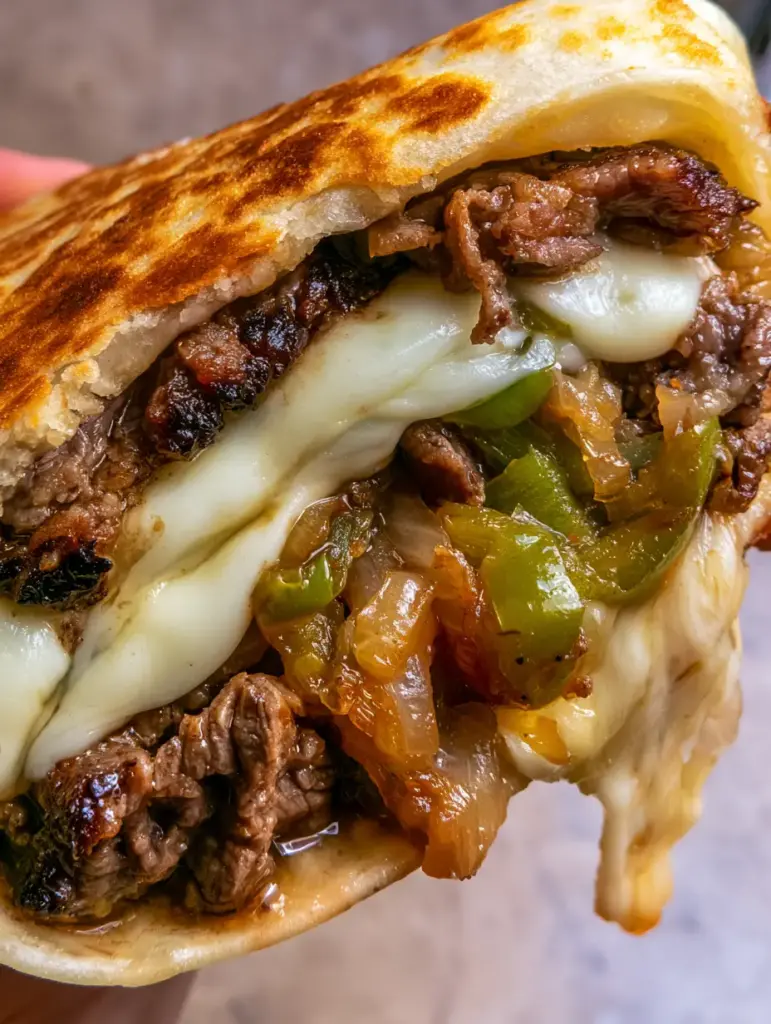
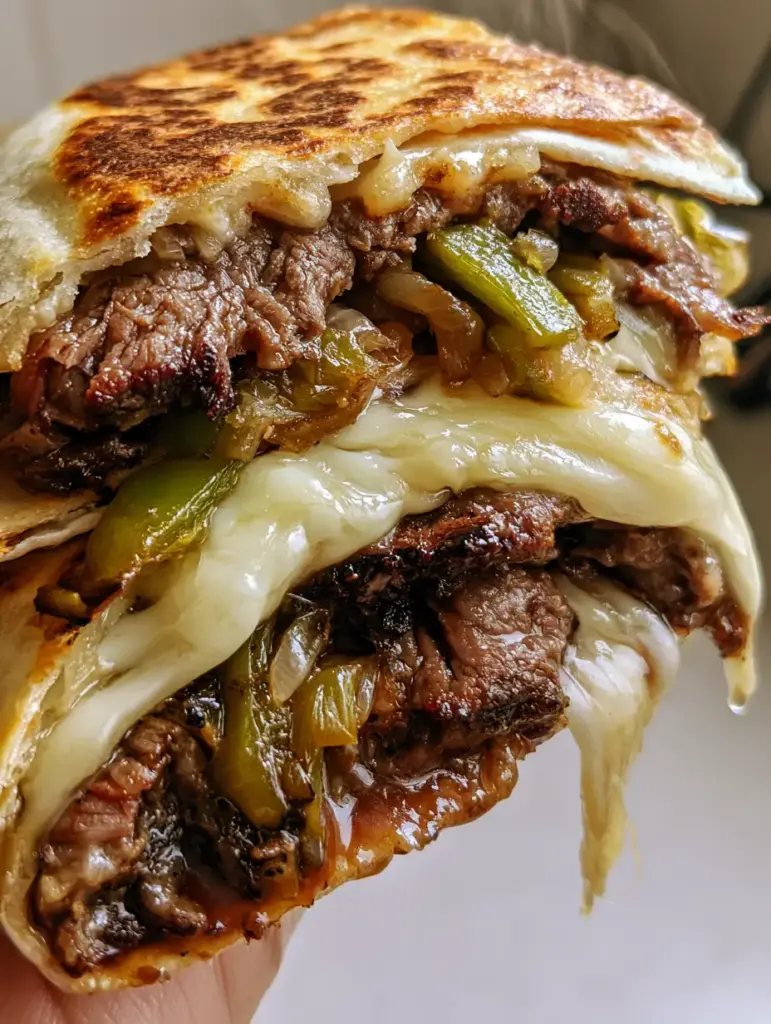
The secret to this Philly cheesesteak quesadilla recipe lies in the forensic details of the sear. Imagine a buttery, toasted flour tortilla featuring visible golden-brown leopard spotting and a slight crystalline salt crunch that shatters upon the first bite. Inside, heavy ribbons of melted white provolone and gooey mozzarella cocoon the steak, while glossy steak jus and melted cheese ooze out of the sides, promising a sensory experience that rivals the best sandwich shops in the country.
The Anatomy of a Perfect Cheesesteak Quesadilla
- Shatter-Crisp Exterior: A garlic butter brush combined with high-heat griddling creates a “leopard-spotted” crust with a distinct crunch.
- Paper-Thin Shaved Ribeye: Utilizing frozen-then-shaved ribeye ensures charred edges and a tender, melt-in-your-mouth interior.
- The Dual-Cheese Ribbon: Provolone provides the classic sharp tang, while mozzarella delivers the legendary elastic cheese pull.
- Caramelized Aromatics: Sautéed white onions and green bell peppers are cooked until translucent and browned, providing a natural sweetness to balance the savory beef.
Essential Components for This Philly Cheesesteak Quesadilla Recipe
1 lb (454g) Ribeye Steak: The high fat marbling of ribeye is non-negotiable for achieving that glossy steak jus and tender texture. For the most authentic Philly cheesesteak quesadilla recipe, freeze the steak for 30 minutes before slicing to achieve paper-thin ribbons.
4 Large (10-inch) Flour Tortillas: Use high-quality, flour-rich tortillas that can withstand the weight of the fillings without tearing. These act as the structural vessel that develops those beautiful toasted spots during the final sear.
4 Slices (approx. 80g) Provolone Cheese: This cheese provides the foundational “Philly” flavor profile, offering a mild sharpness that cuts through the richness of the beef. Place these directly against the hot steak to ensure immediate melting.
1 cup (112g) Shredded Mozzarella: While provolone provides flavor, mozzarella provides the “gooey” factor. The moisture content in mozzarella creates those heavy ribbons of cheese visible in the cross-section.
1 Large (150g) Green Bell Pepper: Sliced into thin, vibrant strips, these peppers are caramelized until softened. They provide a necessary vegetal crunch and a pop of color against the browned beef.
1 Medium (110g) White Onion: Onions are sautéed until they reach a translucent, browned state. Their natural sugars intensify during the Maillard reaction, adding deep complexity to every bite.
2 tbsp (28g) Unsalted Butter + 1 clove (5g) Garlic: This mixture is used to brush the exterior of the tortilla. It is the secret to the “garlic butter brush” effect and that professional, restaurant-quality golden finish.
1/2 tsp (3g) Coarse Sea Salt & 1 tsp (2g) Cracked Black Pepper: The salt provides the crystalline crunch on the exterior, while the pepper adds a sharp, floral heat to the steak filling.
The Gear You’ll Need for Professional Results
To master this Philly cheesesteak quesadilla recipe, a heavy-bottomed cast-iron skillet or a flat-top griddle is essential. These tools retain heat better than non-stick pans, allowing you to achieve the “charred edges” on the ribeye and the “leopard spotting” on the tortilla. You will also need a very sharp chef’s knife for shaving the beef and a wide metal spatula for pressing the quesadillas during the toasting phase.
Building the Flavor: Step-by-Step Instructions
Precision Prepping the Ribeye
Start by placing your ribeye in the freezer for about 30-45 minutes. This firms up the muscle fibers, allowing you to slice the beef into paper-thin, translucent sheets across the grain. Once sliced, pat the meat dry with paper towels; moisture is the enemy of a good sear. Season the meat generously with half of your cracked black pepper just before it hits the pan.
Caramelizing the Peppers and Onions
Heat 1 tbsp (15ml) of neutral oil in your skillet over medium-high heat. Add your strips of green bell pepper and sliced white onions. Sauté them for 6-8 minutes, stirring occasionally, until the onions are translucent and the peppers show browned, softened edges. If you’ve enjoyed making beef and broccoli, you’ll recognize the importance of high-heat veg sautéing for depth of flavor. Remove the vegetables and set them aside.
Achieving the Perfect Steak Sear
Wipe the skillet and crank the heat to high. Add another 1 tbsp (15ml) of oil and spread the shaved ribeye in a single layer. Do not crowd the pan. Let the meat sit undisturbed for 60-90 seconds until a deep, dark crust forms—this creates those “charred edges” mentioned in the visual prompt. Flip and cook for another 30 seconds until the meat is just cooked through and releasing its glossy steak jus. Toss the vegetables back in to incorporate.
The Art of Assembly and the Garlic Butter Brush
In a small bowl, melt your butter and mix in the finely minced garlic. Lay a flour tortilla flat and place a layer of provolone slices on one half. Top with a generous mound of the steak and pepper mixture, followed by a handful of shredded mozzarella. Fold the tortilla over. Brush the top surface of the tortilla with the garlic butter and sprinkle with a pinch of coarse sea salt.
The Final Griddle and Leopard Spotting
Place the quesadilla, butter-side down, into a medium-hot skillet. While the bottom toasts, brush the top side with the remaining garlic butter and salt. Press down firmly with a spatula to ensure the cheese melts into the steak. Look for the visual cue: the tortilla should develop golden-brown “leopard spots.” Flip once and repeat until the cheese is oozing out of the side and the exterior is shatter-crisp.
Expert Tips for Success
- Cold Beef, Hot Pan: Always shave the beef while semi-frozen. This is the only way to get the “paper-thin” texture that defines a true Philly cheesesteak.
- The Press Technique: Use a heavy weight or press down firmly with a spatula. This creates a “crust” on the tortilla and ensures the heat reaches the center of the quesadilla quickly.
- Avoid Soggy Tortillas: Do not add too much oil to the pan during the final toast. The garlic butter provides all the fat needed for a crisp finish without making it greasy.
- Rest Before Slicing: Let the quesadilla sit for 60 seconds before slicing with a pizza cutter. This allows the melted cheese to set slightly, preventing the fillings from sliding out.
Optimal Storage and Reheating Guidelines
This Philly cheesesteak quesadilla recipe is best enjoyed fresh off the griddle while the steam is rising. However, if you have leftovers, wrap them tightly in foil and store in the refrigerator for up to 2 days. To reheat and maintain the crystalline salt crunch, use an air fryer at 350°F (175°C) for 3-5 minutes or a dry skillet over medium heat. Avoid the microwave, as it will turn the beautifully toasted tortilla chewy and soft.
Elevate the Meal: Creative Pairings
While this quesadilla is a meal in itself, it pairs beautifully with high-acid sides that cut through the fat of the ribeye. A refreshing cucumber salad or a bright Greek salad provides a necessary contrast. If you are looking for a dipping sauce, a side of cowboy butter or a simple horseradish cream is exceptional. For those looking for a lighter alternative next time, consider a burger bowl to satisfy those savory beef cravings.
Common Questions About Cheesesteak Quesadillas
Absolutely. You can follow the same technique using thinly sliced chicken breast or thighs. Ensure you still use the provolone and mozzarella blend for the best texture.
The secret is the ‘garlic butter brush’ combined with a medium-hot cast iron skillet. Pressing the quesadilla down with a heavy spatula or weight ensures even contact, creating those iconic golden-brown leopard spots.
Yes, freezing the steak for 30-45 minutes firms it up just enough to allow you to cut paper-thin ribbons. This is essential for achieving the tender, charred edges found in professional cheesesteaks.
Ribeye is the gold standard because its high fat content creates a juicy filling and flavorful steak jus. If ribeye is unavailable, top sirloin or flank steak can be used, provided they are sliced paper-thin.
Provolone provides the traditional, slightly sharp Philly flavor, while mozzarella offers the superior melt and ‘cheese pull’ that makes a quesadilla visually and texturally appealing.
The Definitive Philly Cheesesteak Quesadilla
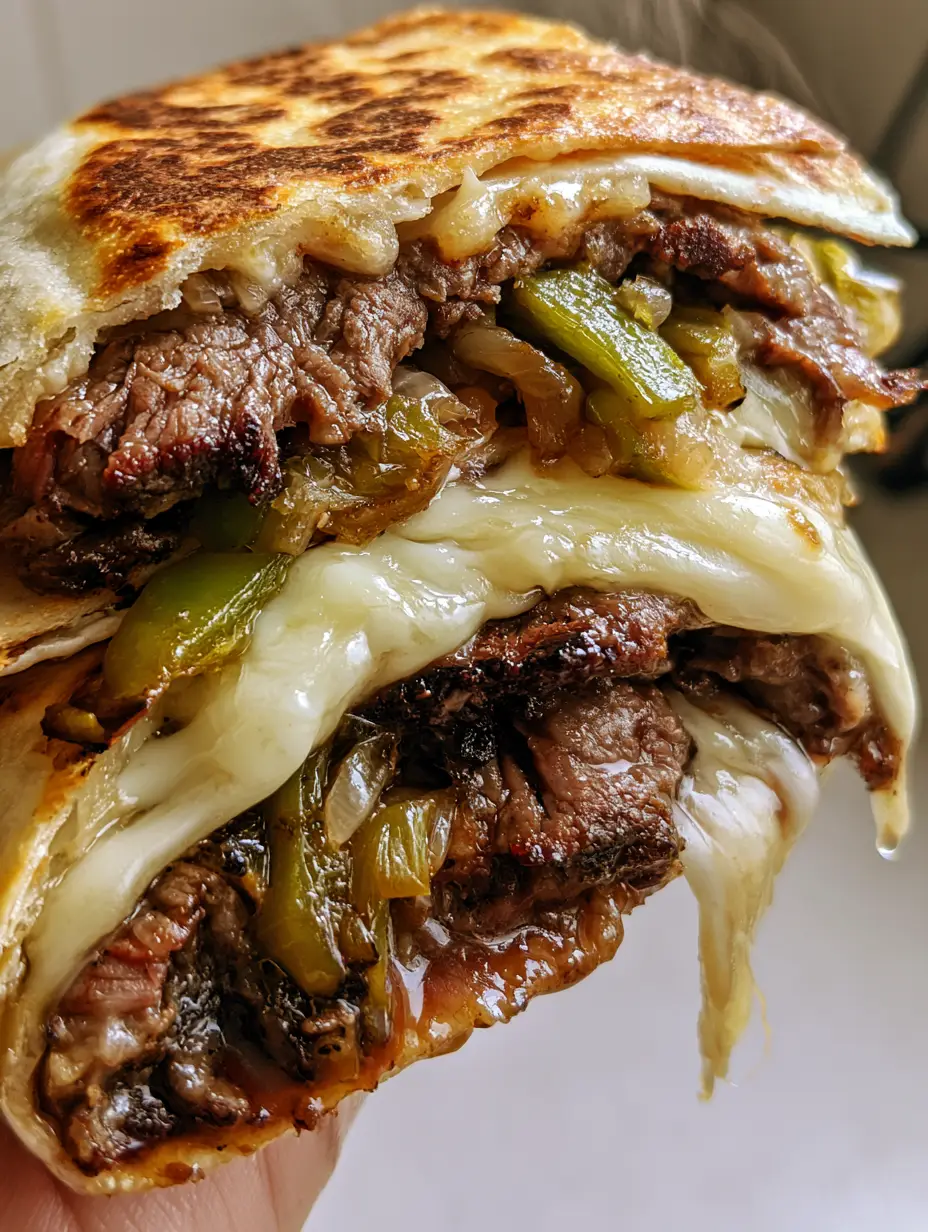
Philly Cheesesteak Quesadilla Recipe: The Ultimate Crispy, Cheesy Fusion
Ingredients
Equipment
Method
- Place ribeye in the freezer for 30-45 minutes. Once firm, use a sharp knife to slice across the grain into paper-thin ribbons.
- In a hot skillet with 1 tbsp oil, sauté peppers and onions for 6-8 minutes until caramelized and softened.
- Remove vegetables and crank heat to high. Sear shaved ribeye in a single layer until charred edges form (about 90 seconds). Toss back with vegetables.
- Lay a tortilla flat. Place provolone on one half, top with beef/veg mixture, and sprinkle mozzarella over. Fold in half.
- Brush the exterior with garlic butter and sea salt. Griddle in a medium skillet, pressing down, until golden-brown leopard spots appear and cheese is oozing.
Notes
Press the quesadilla firmly with a spatula for the best exterior texture.
Closing & Call to Action
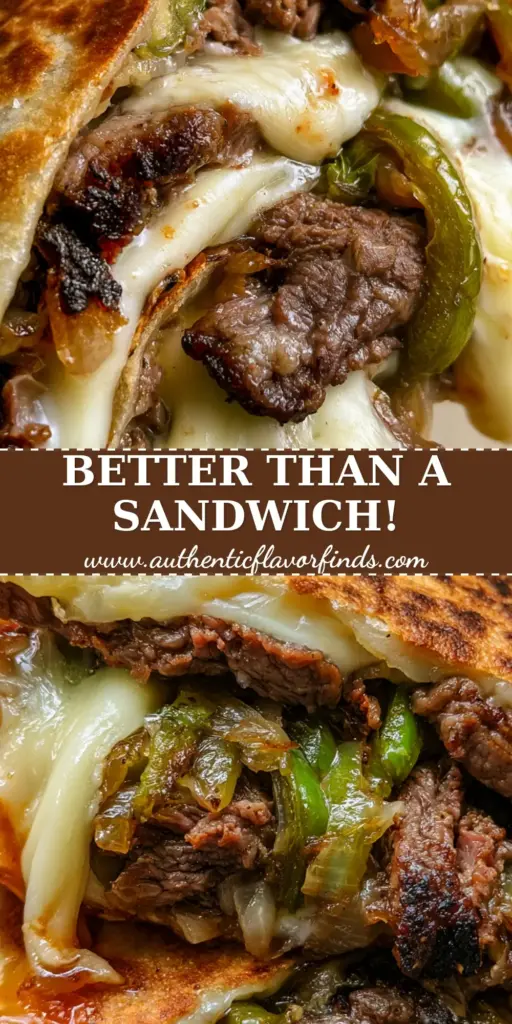
This Philly cheesesteak quesadilla recipe represents the pinnacle of comfort food engineering. By focusing on the “invisible” techniques—the frozen steak shave, the garlic butter brush, and the dual-cheese layering—you can recreate a gourmet, visual-heavy experience right in your own kitchen. The contrast of the salty, buttery crust against the tender ribeye and gooey provolone is a flavor profile you won’t soon forget.
If you made this and achieved those perfect leopard spots, let us know in the comments below! Don’t forget to save this recipe to your favorite boards on Pinterest to ensure you always have the secret to the world’s best quesadilla at your fingertips. Happy cooking!