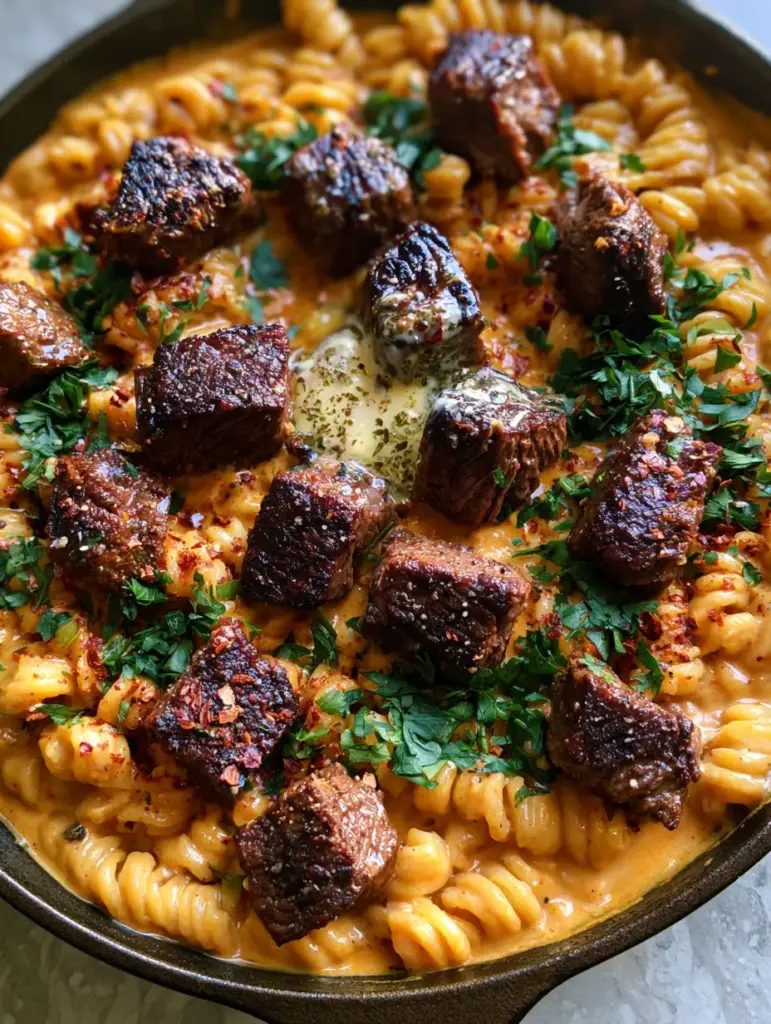
There is a specific kind of culinary magic that happens when a screaming-hot cast iron skillet meets high-quality beef and a bold blend of Louisiana-inspired spices. This Cajun Butter Steak Pasta isn’t just a meal; it is a sensory experience designed to hit every high note of comfort food. From the deep, mahogany crust on the steak bites to the way the ridged radiatori pasta grips a velvety, orange-tinted cream sauce, every element has been engineered for maximum flavor impact.
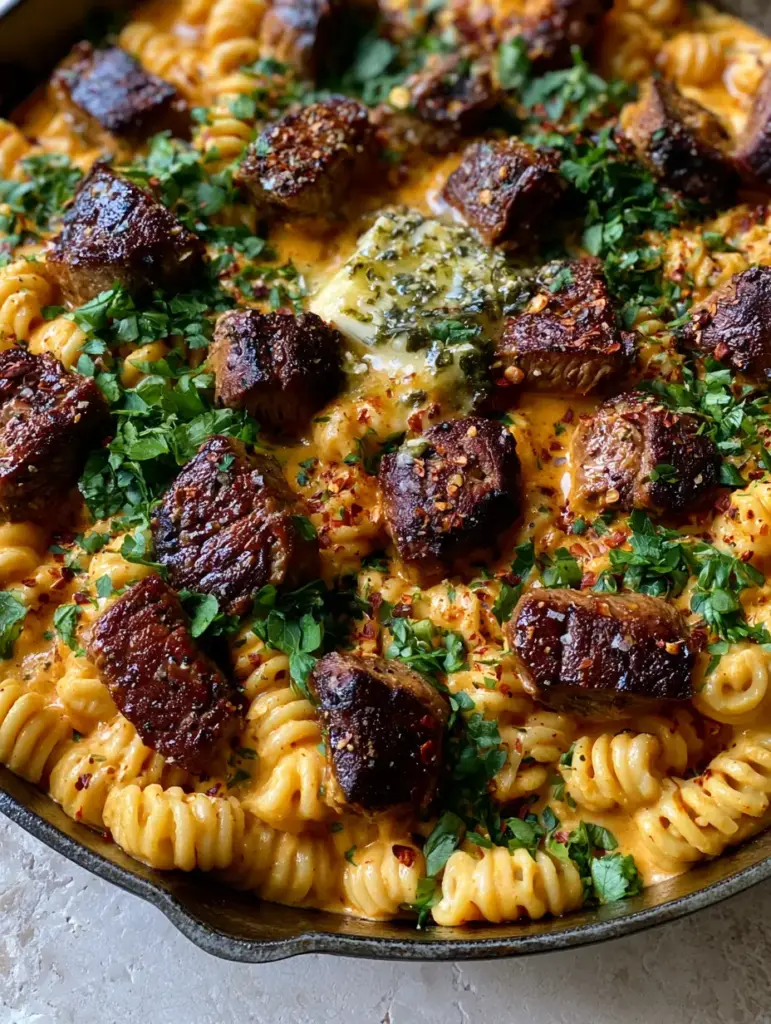
Imagine pulling a rustic skillet to the center of your table, the surface still sizzling slightly as a cold pat of garlic herb butter melts into the crevices of perfectly seared steak. The soft natural daylight hitting the glossy sauce reveals a rich, vibrant hue that promises heat, depth, and creaminess in every bite. Whether you are a fan of a classic steak dinner or you live for the bold kick of Southern spices, this recipe bridges the gap between a high-end steakhouse and a cozy home-cooked pasta feast.
Why This Skillet Steak Pasta Works
- The Radiatori Advantage: The unique shape of radiatori pasta, resembling small radiators, provides a massive surface area with deep ridges that act as “sauce traps,” ensuring you never get a dry bite.
- Maillard-Rich Steak: By using a cast iron skillet, we achieve a dark mahogany sear on the steak bites, providing a bitter-smoky contrast to the rich cream sauce.
- Compound Butter Finish: Melting fresh garlic herb butter over the finished dish adds a layer of raw aromatic fat that elevates the sauce from “good” to “restaurant-quality.”
- Balanced Heat: The orange-tinted sauce utilizes a specific ratio of heavy cream to Cajun seasoning, providing a warm glow of heat rather than an overwhelming burn.
The Essential Component List for Peak Flavor
1 lb (450g) Ribeye or Top Sirloin Steak: Choose a cut with decent marbling to ensure the steak bites remain tender after a high-heat sear. The fat renders into the pan, forming the flavor base for our sauce.
12 oz (340g) Radiatori Pasta: This specific shape is non-negotiable for the “visual blueprint” of this dish. Its structure allows the thick Cajun cream sauce to cling to every curve, providing the perfect al dente bite.
2 tbsp (30ml) High-Smoke Point Oil: Use avocado or grapeseed oil for searing the steak. This allows us to reach the temperatures necessary for that dark mahogany crust without the oil breaking down and tasting acrid.
3 tbsp (42g) Unsalted Butter: We divide this between the sautéing process and the final herb-butter topping. Butter carries the fat-soluble flavors of the Cajun spices throughout the palate.
1.5 cups (360ml) Heavy Cream: This is the foundation of our thick Cajun cream sauce. It mellows the spice of the peppers and creates that iconic velvety texture seen in our visual guide.
2 tbsp (15g) Cajun Seasoning: Look for a blend containing paprika, cayenne, garlic powder, and thyme. This provides the signature orange tint and the “soul” of the dish.
3 cloves Fresh Garlic: Minced finely, garlic bridges the gap between the savory steak and the spicy cream. It’s the aromatic backbone of the entire skillet.
1/2 cup (50g) Freshly Grated Parmesan: This acts as a natural emulsifier, thickening the sauce instantly while adding a salty, nutty depth of flavor.
Fresh Flat-Leaf Parsley and Red Pepper Flakes: These are the “visual finishers.” The vibrant green parsley and the dusting of red flakes provide the color contrast required for a professional presentation.
Cracked Black Pepper and Sea Salt: Essential for layering flavor at every stage. We use extra-coarse black pepper on the steak to create a visible, textured crust.
The Right Tools for a Perfect Skillet Sear
To achieve the dark mahogany crust described in our visual prompt, a 12-inch cast iron skillet is your best friend. Cast iron has incredible heat retention, meaning when you drop the steak bites into the pan, the temperature won’t plummet. This ensures a sear rather than a steam.
You will also need a large pot for boiling the radiatori, a sturdy pair of tongs for flipping individual steak bites, and a whisk to ensure your cream sauce is perfectly emulsified. A microplane is ideal for grating the parmesan, as the fine “snow” melts much more evenly into the sauce than pre-shredded varieties.
The Culinary Blueprint: Step-by-Step Execution
Preparing the Radiatori for Maximum Sauce Cling
Bring a large pot of heavily salted water to a rolling boil. Think “salty like the sea”—this is your only chance to season the pasta itself. Add the 12 oz (340g) of radiatori and cook for 1-2 minutes less than the package directions suggest.
We want the pasta to be slightly “under-done” or very firm al dente. This is because the radiatori will finish cooking inside the Cajun cream sauce, absorbing the flavors into its core. Before draining, reserve 1/2 cup (120ml) of the starchy pasta water—this is “liquid gold” for adjusting sauce consistency later.
Mastering the Mahogany Crust on Steak Bites
Pat your cubed steak bites completely dry with paper towels. Moisture is the enemy of a good sear. Season them generously with cracked black pepper, salt, and a teaspoon of Cajun seasoning.
Heat your cast iron skillet over medium-high heat until a drop of water dances and evaporates instantly. Add the oil, then the steak bites in a single layer. Do not crowd the pan; work in batches if necessary. Let them sit undisturbed for 2 minutes to develop that dark crust before tossing. Once seared to medium-rare, remove the steak from the pan and set it aside on a plate.
Creating the Velvety Orange-Tinted Cream Sauce
Lower the skillet heat to medium. There should be brown bits (fond) stuck to the bottom—this is concentrated flavor. Add a tablespoon of butter and the minced garlic, sautéing for only 30 seconds until fragrant.
Pour in the heavy cream and the remaining Cajun seasoning. Use a whisk to scrape the bottom of the pan, incorporating the steak drippings into the cream. As the sauce simmers, it will transform into a beautiful, thick, orange-tinted liquid. Stir in the parmesan cheese until the sauce is glossy and coats the back of a spoon.
Assembly: The Art of the Butter Finish
Add the cooked radiatori directly into the skillet with the sauce. Toss gently, ensuring the sauce finds its way into all the ridges of the pasta. If the sauce becomes too thick, add a splash of the reserved pasta water to loosen it up.
Nestle the seared steak bites back into the pasta. Top the center steak bites with a large pat of garlic herb butter. As the residual heat melts the butter, it will create a glossy sheen over the mahogany steak. Finish with a heavy garnish of fresh parsley and a dusting of red chili flakes to match our creamy Cajun pasta visual standards.
Pro Secrets for Restaurant-Quality Pasta
- Temperature Control: Never add cold cream to a boiling hot pan or it may break. Let your cream sit at room temperature for 10 minutes before adding it to the skillet.
- The Resting Phase: Let the finished dish sit for 3 minutes before serving. This allows the sauce to set and the radiatori to fully “grab” the cream.
- Freshness Matters: Use flat-leaf (Italian) parsley rather than curly parsley. It has a cleaner, more peppery flavor that cuts through the richness of the butter.
- Spice Tuning: If you prefer a milder dish, look for “low-sodium” Cajun blends, which often allow you to control the salt and pepper ratio more effectively.
Preserving Your Cajun Leftovers
Steak pasta is best enjoyed fresh, but it can be stored in an airtight container in the refrigerator for up to 3 days. Because the sauce is cream-based, it will thicken significantly when cold.
To reheat, add the pasta to a pan with a splash of milk or beef broth. Heat gently over low heat, stirring constantly to re-emulsify the sauce. Avoid the microwave if possible, as it can cause the butter in the sauce to separate and the steak to become rubbery.
What to Serve with Your Cajun Feast
To balance the intensity of the Cajun Butter Steak Pasta, consider serving a light, acidic side. A crisp green salad with a lemon vinaigrette or roasted asparagus works beautifully. If you love this flavor profile, you might also enjoy our Cajun sausage ravioli for a different take on the spicy-cream combination.
For those who want to keep the “skillet” theme going, this dish pairs excellently with a side of garlic bread toasted right in the same pan. If you’re looking for something lighter for next time, our lemon pasta offers a bright contrast to the heavy spices found here.
Commonly Asked Questions
Yes, but look for shapes with ridges or hollow centers like fusilli, rotini, or penne to ensure the thick Cajun sauce has something to cling to.
Ensure the steak is bone-dry before seasoning and use a pre-heated cast iron skillet. A high-smoke point oil is essential for high-heat searing.
The spice level depends on your Cajun seasoning brand. The heavy cream and butter significantly mellow the heat, resulting in a warm, manageable glow.
Ribeye is the gold standard for flavor due to its marbling, but Top Sirloin is a fantastic, leaner alternative that stays tender if seared quickly to medium-rare.
Sauces usually separate if they are boiled too vigorously or if the cream is added while cold. Simmer gently and use room-temperature cream for a stable emulsion.
The Ultimate Cajun Butter Steak Pasta Recipe
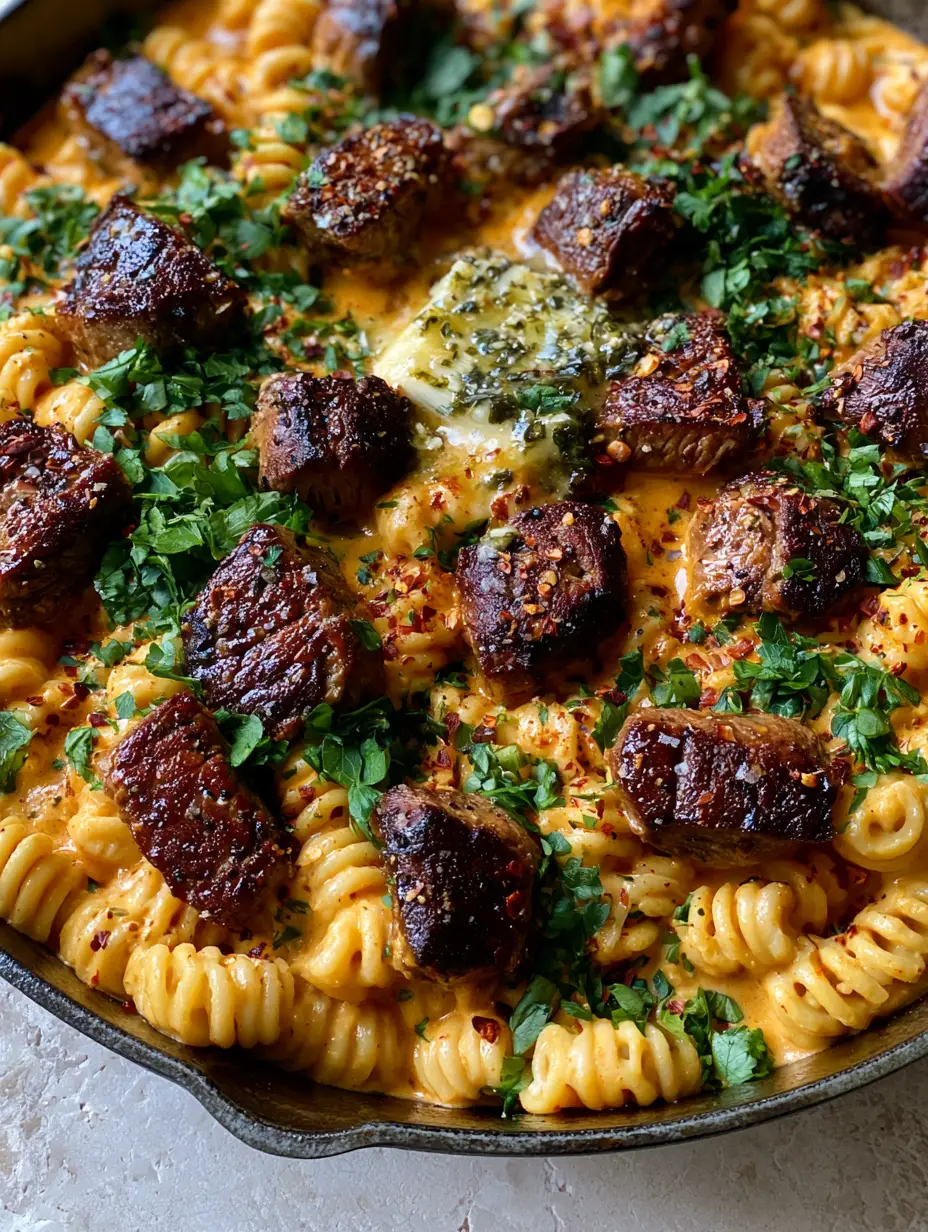
Cajun Butter Steak Pasta with Garlic Herb Butter and Radiatori
Ingredients
Equipment
Method
- Cook radiatori in salted water for 1-2 minutes less than package directions. Reserve 1/2 cup pasta water before draining.
- Season dried steak cubes. Heat oil in cast iron skillet over medium-high. Sear steak bites for 2 minutes per side until a mahogany crust forms. Remove and set aside.
- In the same skillet, melt 1 tbsp butter and sauté garlic for 30 seconds. Whisk in heavy cream and Cajun seasoning, scraping up brown bits.
- Stir in parmesan cheese until sauce is thickened and orange-tinted.
- Add radiatori to the sauce. Add steak bites back in. Top with remaining herb butter, parsley, and red pepper flakes.
Notes
Use reserved pasta water to adjust sauce thickness if needed.
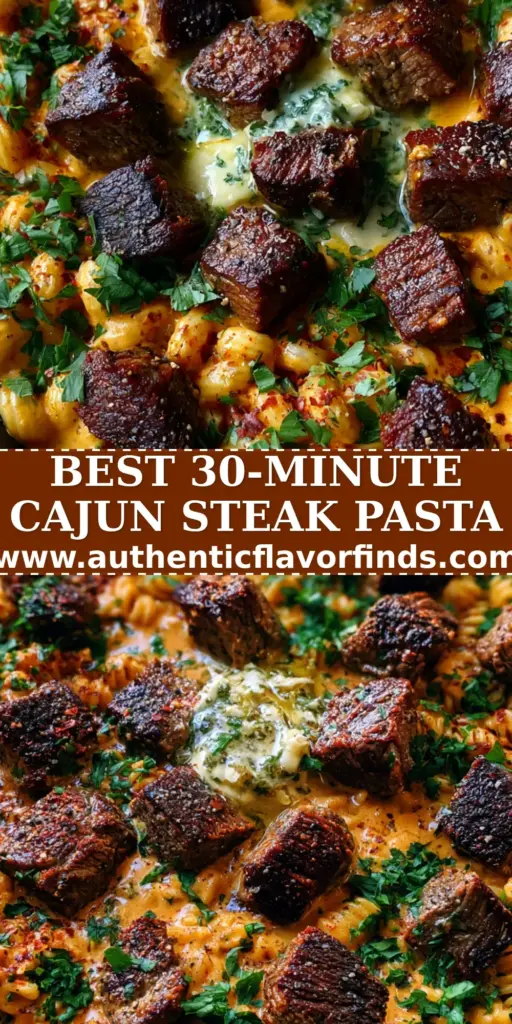
Closing & Call to Action
This Cajun Butter Steak Pasta is the ultimate “wow” meal that requires minimal cleanup thanks to the power of the cast iron skillet. Between the mahogany sear on the steak and the velvet-like radiatori, it’s a dish that looks as good as it tastes. If you made this recipe, please leave a comment below and let us know how your sear turned out! Don’t forget to pin this recipe to your favorite boards on Pinterest so you never lose it.